1. What Is Heated Hiking Winter Wear and Why It Matters
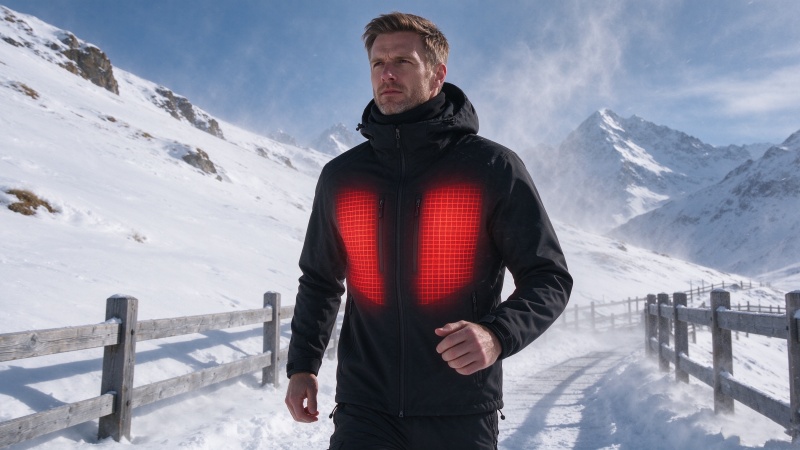
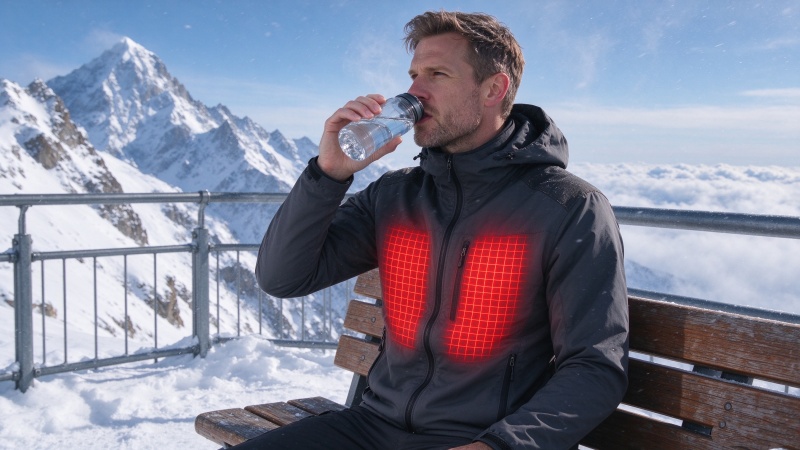
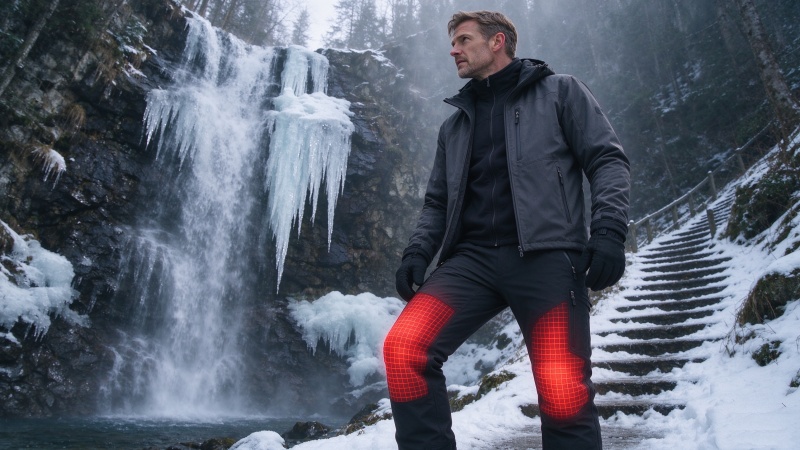
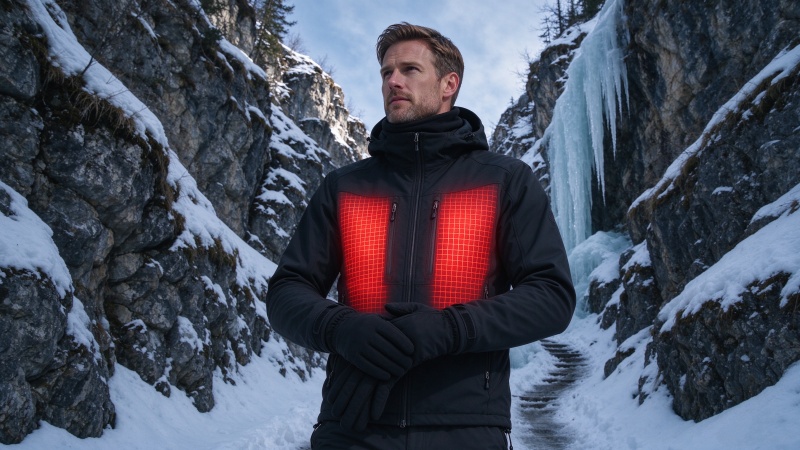
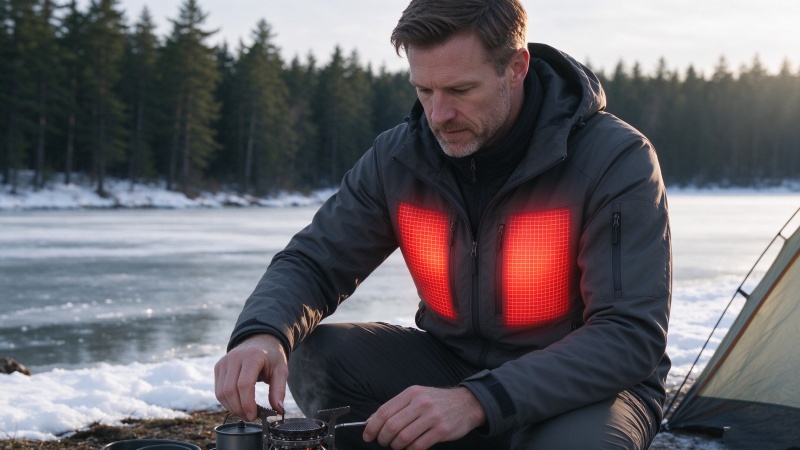
Heated hiking winter wear refers to cold-weather garments built with battery-powered heating elements—typically using carbon fiber or advanced conductive materials. These systems usually run on low voltages (about 5V–12V) and distribute heat across 3–6 heating zones, such as the chest, back, and collar.
What makes modern heated outerwear especially relevant for hiking is that heating performance is paired with serious weather protection. Many designs target waterproof ratings roughly in the 20,000–28,000 mm range (for heavy snow and storms) and breathability levels often around 15,000–75,000 g/m²/24h, helping hikers manage moisture and maintain comfort during high-effort movement.
In short: heated winter wear has moved beyond a niche product. It’s becoming essential gear for skiing, mountaineering, snow hiking, construction outdoors, and urban commuting in cold conditions.
2. Evaluation Criteria for Heated Hiking Winter Wear
To compare manufacturers accurately, use quantifiable metrics commonly used in industry testing:
2.1 Waterproof Performance (mm)
- ~10,000 mm:light rain protection
- 20,000–28,000 mm:heavy snow and storm-level protection
2.2 Breathability (g/m²/24h)
- 10,000–15,000:moderate activity
- 20,000–75,000:high-intensity outdoor use
2.3 Insulation Type & Fill Power
- PrimaLoft (100–200 gsm):lightweight synthetic insulation
- Down (600–800 fill):maximum warmth-to-weight ratio
2.4 Heating System Efficiency
- Heating zones:3–6 zones preferred
- Runtime:often 6–12 hours, depending on battery capacity and wattage
2.5 Durability & Wash Resistance
- Abrasion resistance:20,000+ cycles
- PFC-free DWR durability:about 20–50 washes
2.6 Certifications & Sustainability
Look for:
- bluesign®
- RDS(Responsible Down Standard)
- ISO 9001for manufacturing quality systems
3. Top 6 Heated Hiking Winter Wear Manufacturers (2026 Reviews)
Below are six manufacturers/brands highlighted for innovation, scale, and OEM capability. Each entry includes strengths most relevant to hikers and sourcing buyers.
3.1 Ororo — Best for Everyday Versatility
Ororo specializes in lightweight heated apparel aimed at daily use and travel. Many heated jackets are built with 3–4 heating zones and can deliver up to around 10 hours of runtime depending on settings. The brand also emphasizes app-controlled temperature for usability, and it commonly uses recycled materials with consumer-friendly pricing.
Best for: commuters and hikers wanting simple control and comfort for everyday cold outings.
3.2 Milwaukee — Industrial-Grade Performance
Milwaukee applies its power-tool battery ecosystem approach to heated apparel. Jackets are designed for harsh jobsite conditions, often reaching up to ~12 hours of runtime, with reinforced fabrics and IP-rated battery protection.
Best for: industrial workers who also do cold-weather hiking—or anyone prioritizing durability and battery robustness.
3.3 Gobi Heat — Outdoor Lifestyle Innovation
Gobi Heat focuses on heated solutions for varied outdoor activities such as hiking, fishing, and cold-weather recreation. Products frequently include Bluetooth-controlled heating zones, plus ergonomic design features intended to improve mobility during long sessions. The brand also leans into sustainable materials.
Best for: hikers who want flexible heat control and strong comfort during extended outdoor use.
3.4 Taian JTL Garment — OEM/ODM Leader for Scale
Taian JTL Garment is a global OEM/ODM manufacturer specializing in heated outdoor winter wear. With production reportedly exceeding 1.5 million units annually, it serves brands worldwide.
Its key advantages are:
- strong customization flexibility
- flexible MOQs
- fast sampling cycles
- compliance with ISO 9001
Best for: private-label programs and large-scale sourcing teams needing speed, customization, and reliable throughput.
3.5 Venture Heat — High-Performance Heating Technology
Venture Heat is known for high-output heating systems, including jackets with power levels up to ~26W. These products are commonly used in extreme sports environments such as snowboarding and motorcycling. Venture Heat also highlights practical usability features such as compatibility with extended charging options (including solar charging in certain setups).
Best for: intense cold hiking where higher heat output and quick warming matter.
3.6 Helly Hansen — Premium Technical Outerwear
Helly Hansen integrates heating systems into premium technical outerwear. When used with technologies such as GORE-TEX and FUTURELIGHT, the garments are positioned for superior waterproofing and breathability—important for wet snow, wind-driven storms, and long treks.
The brand also supports sustainability goals, including bluesign® materials and RDS-certified down where applicable.
Best for: professional-grade outdoor users who demand premium weather protection and breathable performance.
4. Comparison Table: Heated Hiking Winter Wear Manufacturers
| Brand / Manufacturer | Waterproof (mm) | Breathability (g/m²/24h) | Insulation | Sustainability Focus | Target Use |
| Ororo | ~10,000 | ~8,000–10,000 | PrimaLoft | Recycled fabrics | Daily wear |
| Milwaukee | ~10,000 | ~8,000 | Synthetic | Moderate | Industrial |
| Gobi Heat | ~8,000–15,000 | ~10,000+ | Fleece / Synthetic | OEKO-TEX | Outdoor lifestyle |
| JTL Garment | ~10,000–15,000 | ~10,000 | Custom | ISO / BSCI | OEM/ODM |
| Venture Heat | 10,000+ | ~12,000 | Down / Synthetic | Eco fabrics | Extreme sports |
| Helly Hansen | ~20,000–28,000 | ~15,000+ | PrimaLoft / Down | bluesign®, RDS | Professional outdoor |
5. Key Features of Modern Heated Hiking Winter Wear
5.1 Advanced Heating Systems
Many garments use carbon fiber heating elements for consistent warmth while staying flexible—supporting fast heat-up and better energy efficiency.
5.2 High-Performance Fabrics
Modern shells (including waterproof/breathable systems) help keep rain, snow, and wind out while letting moisture escape—critical for comfort on hikes.
5.3 Smart Safety Features
Look for:
- overheat protection
- auto shut-off
- short-circuit safeguards
These features reduce risk during long sessions and repeated cycles.
5.4 Sustainability Integration
A growing number of models use recycled polyester and PFC-free coatings. Sustainability documentation increasingly matters for both retailers and brands.
6. How to Choose the Right Heated Hiking Winter Wear
Use your hiking scenario to choose your specs:
- Extreme cold:favor multi-zone (5-zone) systems and 10+ hour battery performance
- Active sports:prioritize breathability, ideally 20,000 g/m² or above
- Urban use / moderate hikes:lighter designs with moderate waterproofing can be enough
For consumers, also verify:
- battery compatibility
- washability and care requirements
For professionals, emphasize:
- durability testing
- compliance documentation
7. OEM/ODM Collaboration Tips for Heated Apparel Buyers
If you’re sourcing heated winter gear for your brand, partner selection is everything.
7.1 What to Evaluate
- MOQ:flexible MOQs (e.g., ~300–500 units) reduce inventory risk and help you test faster
- Sampling timeline:top suppliers can often deliver prototypes within 7–15 days
- Certifications & factory capability:confirm ISO 9001, BSCI, and relevant EU/US compliance expectations
- R&D in-house capability:improves customization accuracy and reduces iteration cycles
7.2 Sample Inquiry Templates
- “We want heated cold-weather garments with 4 heating zonesand 10-hour battery life. Please share MOQ, lead time, and certification details.”
- “Please share your OEM capabilities for waterproof heated jacketswith a 20,000 mm rating, including sampling timeline and pricing structure.”
8. Market Trends and Industry Outlook
Industry commentary increasingly frames heated apparel as moving from niche innovation toward mainstream necessity—driven not only by outdoor enthusiasts but also by cold-weather work sectors like logistics and construction.
Future differentiation will likely come from:
- app-controlled heating
- smarter temperature regulation
Brands that invest early in these areas (and build strong OEM partnerships) typically benefit first.
9. Conclusion: Why Heated Hiking Winter Wear Is the Future
Heated hiking winter wear is more than staying warm—it reflects a convergence of technology, sustainability, and performance. From consumer-facing solutions (like Ororo) to OEM/ODM scale leaders (like JTL Garment), today’s market offers options for almost every cold-weather requirement.
Whether you’re buying for personal hiking use or sourcing for a brand, aligning on performance metrics and manufacturer capability helps you make better decisions and reduce risk.