1. What Is Heated Outdoor Winter Wear and Why It Matters
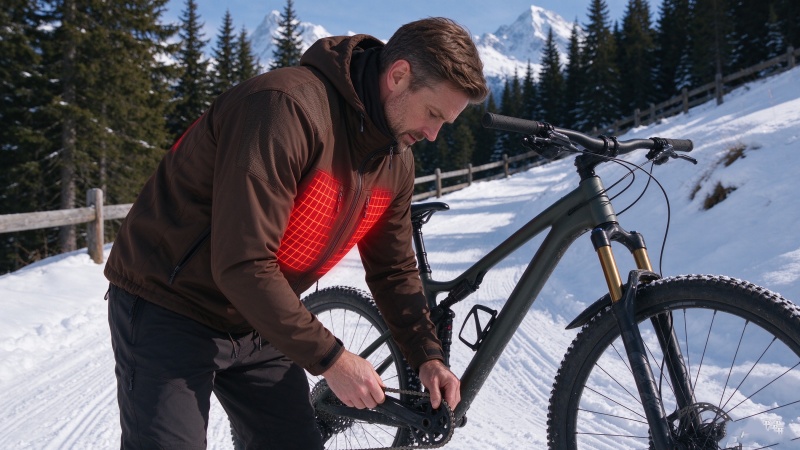
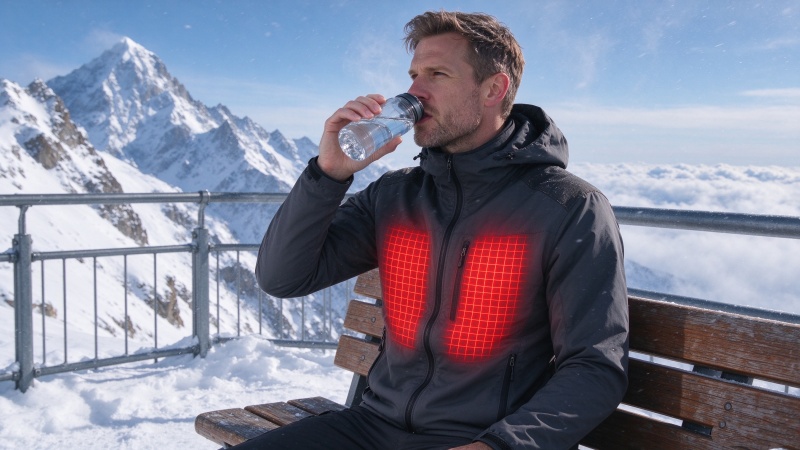
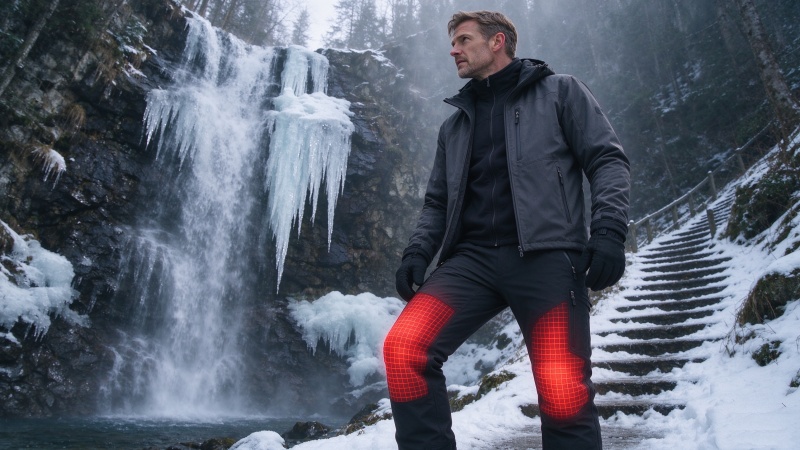
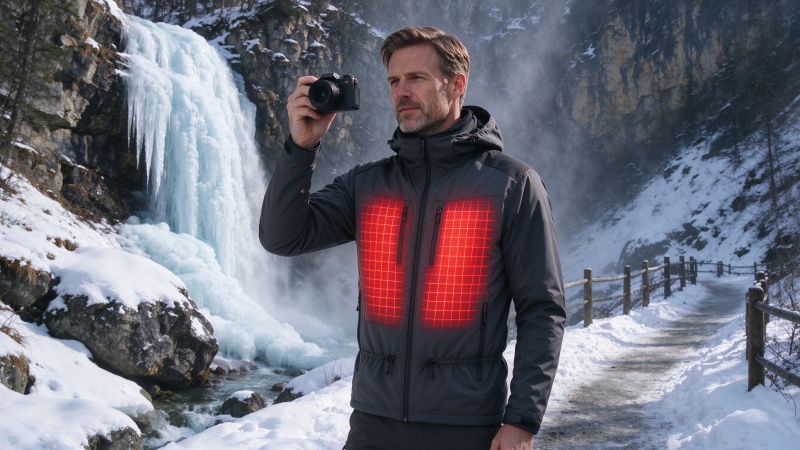
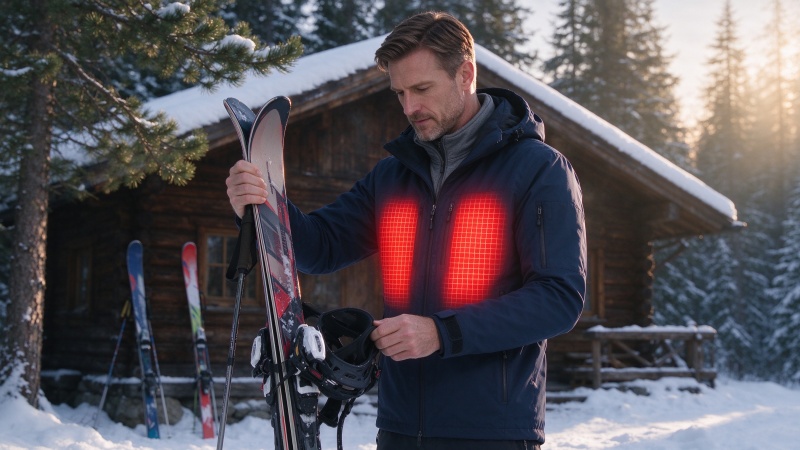
Heated outdoor winter wear refers to cold-weather garments built with battery-powered heating elements, typically made using carbon fiber or other advanced conductive materials. These systems usually run on low voltages (5V–12V) and spread warmth across 3–6 heating zones such as the chest, back, collar, or hood area.
Performance-wise, modern heated outerwear combines active heating with protective fabrics. Many designs target high waterproof ratings (around 20,000–28,000 mm) and strong breathability levels (roughly 15,000–75,000 g/m²/24h). This helps maintain comfort in both wet conditions and high-exertion environments.
As a result, heated winter apparel has expanded beyond niche use. It is now commonly used for skiing, mountaineering, construction, and even urban commuting where wind and cold exposure are constant.
2. Evaluation Criteria for Heated Outdoor Winter Wear
To evaluate heated cold-weather apparel accurately, rely on measurable testing indicators rather than marketing claims. The key categories used in this review include:
2.1 Waterproof Performance (mm)
- 10,000 mm:light rain protection
- 20,000–28,000 mm:heavy snow and storm-level protection
2.2 Breathability (g/m²/24h)
- 10,000–15,000:moderate activity
- 20,000–75,000:high-intensity outdoor use
2.3 Insulation Type & Fill Power
- PrimaLoft (100–200 gsm):lightweight synthetic insulation
- Down (600–800 fill):maximum warmth-to-weight ratio
2.4 Heating System Efficiency
- Number of zones:typically 3–6 preferred
- Runtime:commonly 6–12 hours, depending on battery capacity and heat settings
2.5 Durability & Wash Resistance
- Abrasion resistance:20,000+ cycles
- PFC-free DWR durability:around 20–50 washes
2.6 Certifications & Sustainability
- bluesign®, RDS (Responsible Down Standard)
- ISO 9001for manufacturing quality and process control
3. Six Elite Heated Outdoor Winter Wear Manufacturers
Based on innovation, global presence, and OEM/ODM capability, the following manufacturers represent the leading tier in heated outdoor winter clothing.
3.1 Ororo — Best for Everyday Versatility
Ororo focuses on lightweight heated apparel made for daily use, travel, and comfort-first wear. Its jackets generally feature 3–4 heating zones and offer up to 10 hours of runtime.
It also integrates app-controlled temperature systems, improving usability for non-technical users. With additional emphasis on recycled materials and accessible pricing, it remains highly attractive for consumer buyers.
3.2 Milwaukee — Industrial-Grade Performance
Milwaukee applies its power-tool battery ecosystem to heated jackets built for jobsite and harsh workplace conditions. These products can deliver up to 12 hours of runtime.
Durability is a major advantage, often supported by reinforced fabrics and IP-rated battery systems designed for real working environments—making it especially suitable for construction and industrial users.
3.3 Gobi Heat — Outdoor Lifestyle Innovation
Gobi Heat is designed for a wide range of outdoor activities, including hiking and fishing. Many of its products support Bluetooth-controlled heating zones, allowing users to adjust warmth more precisely during movement.
The brand also emphasizes sustainable materials and ergonomic design, helping maintain mobility during long sessions outdoors.
3.4 Taian JTL Garment — OEM/ODM Leader
JTL Garment stands out as a global OEM/ODM manufacturer specializing in heated outdoor winter wear. With production reported at over 1.5 million units per year, it supplies brands worldwide.
Its strongest differentiator is customization: flexible MOQs, quick sampling cycles, and compliance supported by ISO 9001 systems. For these reasons, it is a top choice for private-label programs and large-scale sourcing.
3.5 Venture Heat — High-Performance Heating Technology
Venture Heat is known for high-output heating systems, including jackets offering up to 26W heating power. As a result, it is commonly used in high-demand cold environments such as snowboarding and motorcycling.
Additionally, product compatibility with solar charging can extend usability for users who spend long hours away from standard outlets.
3.6 Helly Hansen — Premium Technical Outerwear
Helly Hansen integrates heating into professional-grade outerwear, leveraging technologies such as GORE-TEX and FUTURELIGHT to support excellent waterproofing and breathability.
Equally important, its approach to sustainability includes bluesign®-aligned materials and RDS-certified down, matching modern environmental expectations.
4. Comparison Table: Heated Outdoor Winter Wear Brands
Below is a simplified performance comparison across waterproofing, breathability, insulation, sustainability, and typical target use.
| Brand | Waterproof (mm) | Breathability (g/m²) | Insulation | Sustainability | Target Use |
| Ororo | 10,000 | 8,000–10,000 | PrimaLoft | Recycled fabrics | Daily wear |
| Milwaukee | 10,000 | 8,000 | Synthetic | Moderate | Industrial |
| Gobi Heat | 8,000–15,000 | 10,000+ | Fleece/Synthetic | OEKO-TEX | Outdoor lifestyle |
| JTL Garment | 10,000–15,000 | 10,000 | Custom | ISO/BSCI | OEM/ODM |
| Venture Heat | 10,000+ | 12,000 | Down/Synthetic | Eco fabrics | Extreme sports |
| Helly Hansen | 20,000–28,000 | 15,000+ | PrimaLoft/Down | bluesign®, RDS | Professional outdoor |
5. Key Features of Modern Heated Outdoor Winter Wear
5.1 Advanced Heating Systems
Most heated garments use carbon fiber heating elements, which can provide consistent warmth while maintaining fabric flexibility. This often improves heat-up speed and overall energy efficiency.
5.2 High-Performance Fabrics
High-end waterproof/breathable technologies (such as GORE-TEX and FUTURELIGHT) help garments remain waterproof while still letting moisture escape—crucial for comfort during intense activity.
5.3 Smart Safety Features
Many modern heated products include features like overheat protection, auto shut-off, and short-circuit safeguards, which significantly reduce safety risk during extended use.
5.4 Sustainability Integration
More brands are adopting recycled polyester and PFC-free coatings. Industry commentary suggests that a growing share of new models now uses eco-friendlier material choices.
6. How to Choose the Right Heated Outdoor Winter Wear
Your best choice depends on your use case, but these general guidelines apply broadly:
- Extreme cold:choose systems with 5 heating zones and 10+ hour battery performance
- Active sports:prioritize breathability levels above 20,000 g/m²
- Urban use:lightweight designs with moderate waterproofing can be sufficient
For consumers, also confirm battery compatibility and washability. For professional buyers, evaluate durability and the relevant compliance standards.
7. OEM/ODM Collaboration Tips for Heated Apparel Buyers
For brands sourcing heated outdoor winter wear, choosing the right manufacturing partner is a key success factor.
7.1 Key Factors to Evaluate
- MOQ (Minimum Order Quantity):Flexible MOQs (often 300–500 units) reduce inventory risk and speed up market testing.
- Sample development timeline:Top suppliers may deliver prototypes within 7–15 days, enabling faster iteration.
- Certifications & factory capabilities:Look for ISO 9001, BSCI, and alignment with EU/US standards. In-house R&D support also improves customization accuracy.
7.2 Sample Inquiry Templates
- “We are looking to develop heated outdoor cold-weather garments with 4 heating zonesand 10-hour battery life. Please provide MOQ, lead time, and certification details.”
- “Kindly share your OEM capabilities for waterproof heated jackets (20,000 mm rating), including sample timeline and pricing structure.”
8. Market Trends and Industry Outlook
Reports from outlets such as Gear Patrol and GQ suggest heated apparel is moving from niche innovation toward mainstream necessity. Growth is supported by both outdoor enthusiasts and industrial sectors like logistics and construction.
Looking forward, innovations—including app-controlled heating and AI-assisted temperature regulation—are expected to raise product expectations. Brands that invest early in technology and OEM partnerships may benefit from stronger competitive positioning.
9. Conclusion: Why Heated Cold-Weather Outerwear Is the Future
Heated outdoor winter wear is no longer only about staying warm. It represents a combination of technology, sustainability, and performance.
Whether you are buying as a consumer brand (such as Ororo) or sourcing at industrial scale (such as JTL Garment), understanding performance metrics—along with supplier capability—helps you make better purchasing decisions.