1. Introduction
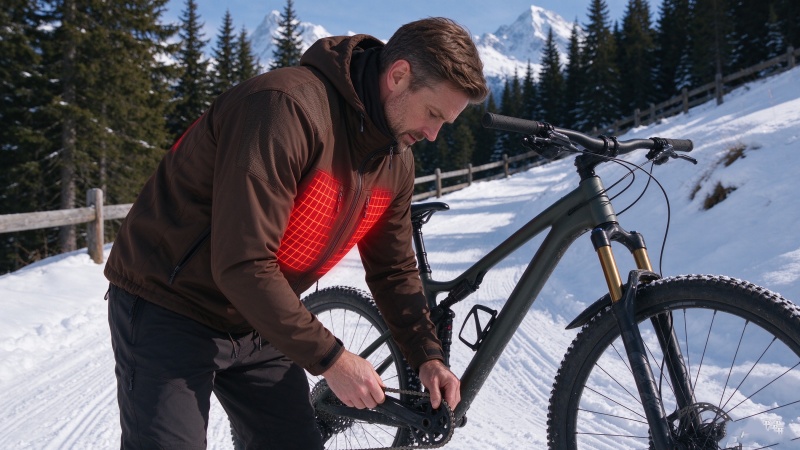
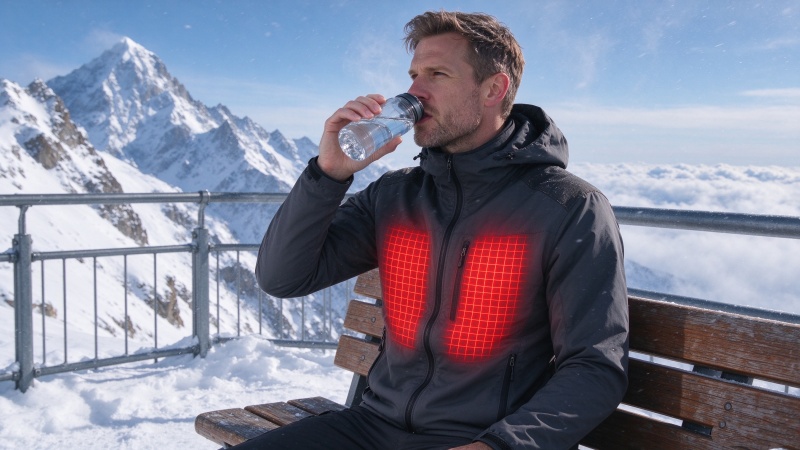
Cold weather can quickly turn an enjoyable hike into an uncomfortable—or even unsafe—outing. To stay warm, comfortable, and focused on the trail, layering is essential. One of the most effective ways to add targeted warmth without reducing mobility is with heated hiking pants.
Heated pants are designed to deliver supplemental heat through the legs and around core-support areas. This helps hikers feel better during cold starts, long descents, and extended breaks. Whether you’re trekking through snowy terrain, waiting at a trailhead, or hiking in freezing conditions, the right heated pants can significantly improve how your body feels—and how long you can stay outside comfortably.
In this guide, we review nine leading manufacturers/brands of heated hiking pants worldwide: JTL Garment, Ororo, Gobi Heat, Tidewe, Venustas, Milwaukee, Volt Heat, plus two additional well-known brands that are commonly considered in the heated apparel market. Each brand offers a different mix of warmth performance, weight, price, and features—so whether you’re a day hiker, fastpacker, winter backpacker, or an outdoor professional, you’ll find options that better fit your needs.
2. Why Heated Hiking Pants Matter
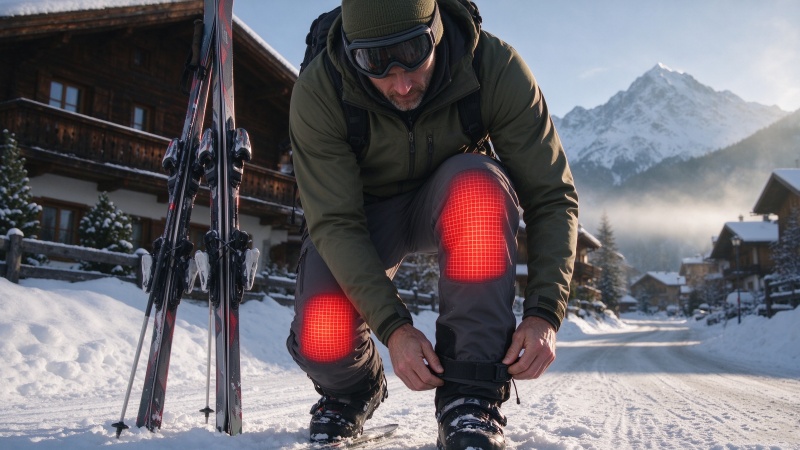
Heated hiking pants provide targeted warmth to the lower body, helping preserve core temperature and support circulation in cold conditions. This becomes especially valuable when your activity level drops—such as when you pause for photos, take summit breaks, or wait while others finish getting ready.
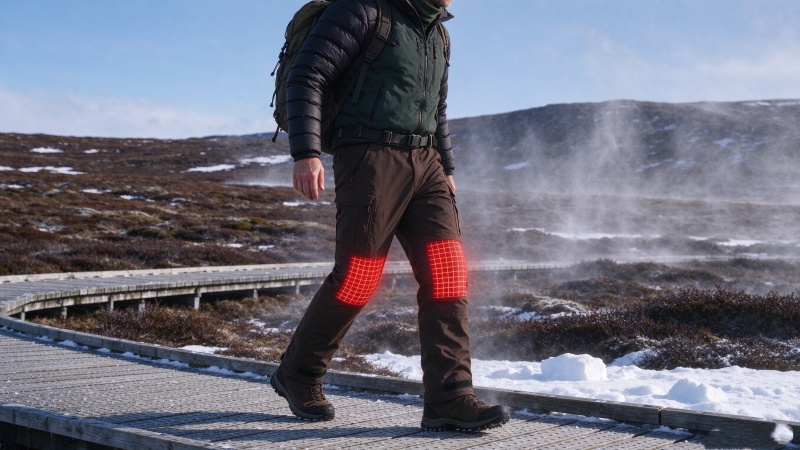
Unlike fully insulated winter trousers, heated pants focus heat precisely where it’s needed. Many modern designs embed thin, flexible heating elements into strategic zones. Depending on the model, heating technology may use materials such as carbon fiber, graphene, or metal-filament systems, aiming for fast warm-up, more even heat distribution, and lower bulk.
For best results, heated pants pair well with breathable base layers and windproof/waterproof outer shells. This creates a flexible system for shifting temperatures, changing terrain, and different activity intensities.
2.1 Key Benefits of Heated Hiking Pants
- Efficient Lower-Body Warming:Targets heat in the legs and lower torso to reduce heat loss where it matters most.
- Less Cold Discomfort:Helps reduce numbness and stiffness from long exposure to low temperatures.
- More Comfortable Breaks:Keeps you warmer while you stop moving—ideal for resting, setup, or trailhead waiting.
- Better Control for Variable Effort:Use lower heat while hiking and increase warmth during downtime.
- Mobility Without Excess Bulk:Many heated designs feel lighter and allow freer movement than thick, fully insulated pants.
3. How We Selected the Best Heated Hiking Pants Brands
We evaluated each brand using a hiker-first approach, focusing on both real-world usability and technical performance:
- Heating Technology:Priority was given to reliable heating elements (with carbon fiber and graphene often delivering strong results). We considered warm-up speed and how consistently heat is distributed across zones.
- Battery Performance and Flexibility:Runtime matters. We compared performance across low/medium/high settings and noted whether the pants support third-party power banks or require proprietary batteries.
- Durability and Weather Resistance:Hiking involves abrasion, moisture, wind, and repeated motion. We reviewed fabric construction, seam quality, water resistance, and reinforcement in high-wear areas.
- Comfort, Fit, and Mobility:Hiking performance depends on fit. We looked for designs that reduce restriction and maintain comfortable movement while walking or climbing.
- Features and Convenience:Heat zone layout, control method (on-gear buttons vs. app control), pocket design, and care instructions were all considered.
- Value:We balanced price against performance, warranty length, and brand support.
3.1 What to Look For When Buying Heated Hiking Pants
- Heating Zones:More zones (and better placement) can improve comfort—especially for thighs and knees in very cold weather.
- Battery Options:If the pants can use a standard USB power bank, it can make long trips much more convenient.
- Weight and Packability:Choose a heat level and insulation approach that matches your typical conditions. Ultralight options fit active hikers; more insulated options suit static cold or high-elevation outings.
- Weather Resistance:Look for windproof and water-resistant outer materials. If you frequently hike in wet snow or rain, consider pairing with a waterproof shell.
- Controls and Ease of Use:Glove-friendly controls and clear battery/heat indicators are important in freezing temperatures.
- Warranty and Support:Batteries wear out over time—check warranty coverage for both garments and battery systems.
4. Top 9 Heated Hiking Pants Brands Worldwide (Brand Overviews)
Below are nine standout brands in the heated hiking pants market. Each section includes practical use cases and buying tips.
4.1 JTL Garment: Custom Heated Pants for Outdoor Enthusiasts
JTL Garment specializes in bespoke heated apparel, allowing customers to tailor heating zones, fabrics, and fit. This is a strong option for hikers in specialized or extreme conditions—especially if you need extra warmth in areas like thighs or lower legs during cold descents.
Use Cases:
- Custom builds for multi-day expeditions where battery placement and coverage are critical
- Hunters or photographers who remain stationary for long periods in cold conditions
Buying Tips:
- Share expected temperatures and your activity level when ordering
- Ask about battery compatibility with standard power banks for easier long-trip convenience
4.2 Ororo: Accessible, Everyday Heated Hiking Pants
Ororo is known for heated pants that deliver reliable performance at approachable prices. Many models focus on user-friendly controls, quick warm-up, and practical design details such as washable construction and recognizable sizing.
Use Cases:
- Day hikers and weekend backpackers who want dependable warmth with minimal complexity
- Users who want heated pants for outdoor adventures and everyday cold-weather wear
Buying Tips:
- Confirm whether batteries are removable before washing
- Make sure the fit works with your layering system, especially if you wear base layers underneath
4.3 Gobi Heat: Built for Severe Cold and Long Days
Gobi Heat is widely associated with strong performance in extremely cold conditions. Their heated pants often pair powerful heating with long-lasting battery solutions—making them suitable for winter treks and extended time outdoors.
Use Cases:
- Winter hikes, cold-weather hunting, and expedition-style outings
- Hikers who prioritize consistent warmth duration
Buying Tips:
- Expect a heavier feel compared with ultralight options
- Check low-setting runtime if you need heat for hours without interruption
4.4 Tidewe: Budget-Friendly Heated Hiking Pants
Tidewe focuses on balancing cost with practical heating functionality. While premium features may be limited compared with higher-end brands, many models offer a satisfying warmth experience for casual outdoor users.
Use Cases:
- Beginner hikers and occasional cold-weather hikers
- A practical backup option for group trips where cost per person matters
Buying Tips:
- Look for solid stitching and removable batteries
- Compare warranty length and potential battery replacement costs if you plan to use them frequently
4.5 Venustas: Ultralight and Mobile-First Designs
Venustas emphasizes low weight and mobility, appealing to fastpackers, trail runners, and hunters who want discreet warmth without heavy insulation.
Use Cases:
- Fast transitions between higher- and lower-intensity activity
- Users who want quiet operation and targeted warmth without bulky layering
Buying Tips:
- Confirm battery capacity for long outings
- If app control is used, remember your phone may need power—consider bringing a backup battery
4.6 Milwaukee: Work-Grade Durability Meets Outdoor Function
Milwaukee treats heated gear like a tool platform—focused on robust construction and integration with their battery ecosystem. If you already own Milwaukee batteries, shared power can be a major advantage.
Use Cases:
- Outdoor professionals and trail teams that rely on durable gear
- Multi-day hikers looking for higher-capacity tool batteries for extended runtime
Buying Tips:
- Milwaukee heated pants may feel heavier—evaluate if the durability trade-off fits your hiking style
- Confirm battery compatibility and whether adapters are needed
4.7 Volt Heat: Innovative Features and Practical Warmth
Volt Heat focuses on practical innovation, efficient heating, and comfort-first design. Their heated pants aim to provide a strong middle ground between real-world performance and everyday usability.
Use Cases:
- Hikers who want thoughtful features and comfortable control
- Users seeking balanced performance in cold conditions
Buying Tips:
- Compare water-resistance ratings if you hike often in wet climates
- Check warranty coverage for both pants and the battery system
4.8 Heatrexx — Fast, Stable Heat for Everyday Outdoor & Light Hiking
Heatrexx is geared toward practical heated apparel—aiming to deliver dependable warmth with comfortable wearability for both outdoor outings and cold-weather daily use. For hikers who want consistent comfort during low-to-moderate activity (and especially during short stops), Heatrexx-style designs typically focus on effective heat coverage and comfortable everyday fit rather than extreme ultralight specs.
Use Cases:
- Cold-weather hiking and winter park trails
- Outdoor commuting and casual winter walking
- Situations where you alternate between moving and brief downtime (photo stops, queues, trailhead waiting)
Buying Tips:
- Prioritize the heat zone layout—make sure key coverage areas (such as thighs/knees) match your cold-weather needs
- Choose the battery setup based on your typical outing length, and confirm whether batteries are removable or if the system supports convenient recharging options
4.9 Therm-ic — Outdoor-Oriented Heat Management with Comfort Focus
Therm-ic emphasizes heat comfort and temperature management, which fits well for winter hiking styles that involve longer exposure to cold or frequent breaks. Their approach is often more “system-minded,” balancing heat delivery, garment fit, and sustained comfort—helpful when you want warmth that feels controlled rather than only “on/off.”
Use Cases:
- Winter hikes and snow-route walking
- Activities with longer waiting or sightseeing time (when your activity level drops)
- Cold-weather hikers who value comfort and warm stability over short bursts of heat
Buying Tips:
- If your hikes include lots of stop-and-go, lean toward models that provide steady warmth at practical settings
- Review battery maintenance and washing instructions so long-term upkeep stays manageable
5. Brand Comparison Snapshot
Heated pants performance can vary depending on temperature, activity level, and whether you use proprietary batteries or third-party power banks. Below are the typical ranges described in the original review content:
- JTL Garment:$120+; battery life ~10 hours (low); customizable heating zones; variable water resistance; ~1.4 lbs; custom warranty
- Ororo:$130–$200; ~10/7/4 hours (low/med/high); 4 zones; ~4,000 mm; ~1.3 lbs; 1 year
- Gobi Heat:~$199; ~12/8/4 hours; 3 zones; ~8,000 mm; ~2.1 lbs; 2 years
- Tidewe:~$89; ~10/6/3 hours; 4 zones; ~3,000 mm; ~1.5 lbs; 1 year
- Venustas:~$129; ~10+/7/4 hours; 3 zones; ~5,000 mm; ~1.2 lbs; 18 months
- Milwaukee:~$149; ~12/8/5 hours; 3 zones; ~2,000 mm; ~1.9 lbs; 2 years
- Volt Heat:~$179; ~10/7/4 hours; 4 zones; ~10,000 mm; ~1.7 lbs; 1 year
6. Practical Tips for Using Heated Hiking Pants
- Layer Smart:Use moisture-wicking base layers and breathable mid-layers (or shells). Match heat settings to your effort and conditions.
- Conserve Battery:Use lower heat while hiking; increase heat during breaks. If pre-heating is supported, warm up before you stop moving.
- Protect Batteries from Cold:Battery output can drop in low temperatures. Keep spare batteries close to your body in an insulated pocket.
- Care and Maintenance:Follow washing instructions carefully—many systems require removing the battery before machine washing. Inspect heating elements after heavy use.
- Safety First:Avoid prolonged direct contact between heating elements and bare skin on high settings. Stop using the pants if heating becomes irregular or if wiring appears damaged.
7. Conclusion (Updated for Top 9)
Heated hiking pants are one of the most effective ways to keep your lower body warm on cold-weather hikes without sacrificing mobility. The best brand depends on your priorities—warmth strength, comfort, runtime, durability, and how the pants fit into your layering system.
- JTL Garmentfor tailored solutions
- Ororofor accessible everyday performance
- Gobi Heatfor extreme-cold reliability
- Tidewefor budget-conscious buyers
- Venustasfor ultralight mobility
- Milwaukeefor rugged durability and battery ecosystem compatibility
- Volt Heatfor practical features and balanced efficiency
- Heatrexxfor fast, stable warmth that works for everyday cold outdoor use
- Therm-icfor comfortable, managed heat—especially for longer winter outings and breaks
When choosing heated hiking pants, compare heating zones, battery runtime, fabric durability, control method, and overall fit within your layering system. With the right pair, you can extend your hiking season, stay comfortable during downtime, and make cold-weather hikes far more enjoyable.