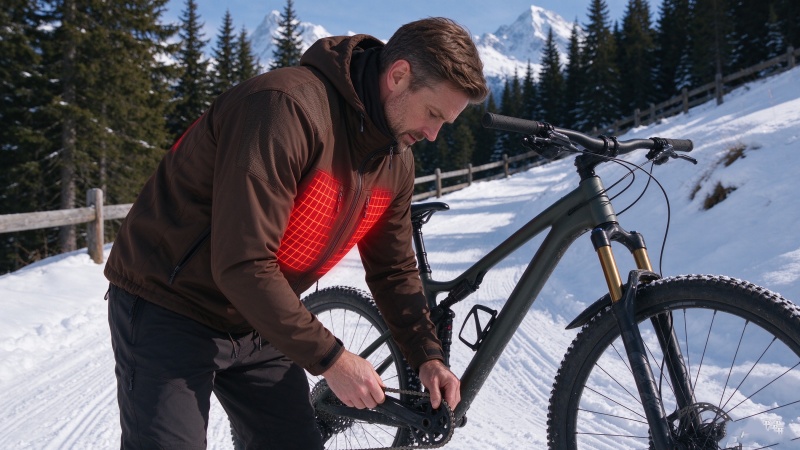
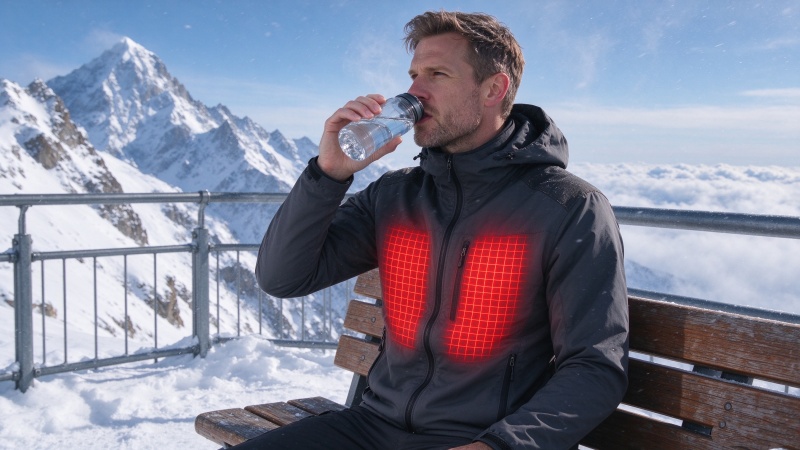
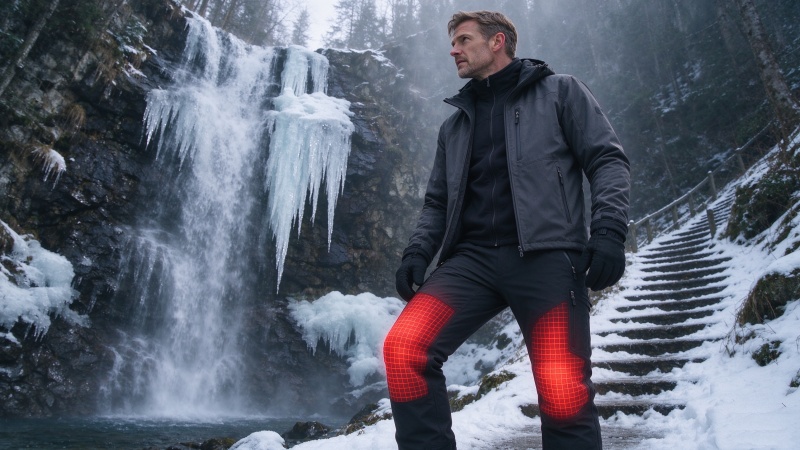
In an era when outdoor pursuits, occupational demands, and daily commutes collide with extreme weather, heated outdoor jackets have shifted from niche gadgets to essential performance gear. These garments combine advanced heating elements, efficient battery systems, and technical fabrics to deliver controlled warmth without sacrificing mobility or style. This guide presents the Top 8 Best Heated Outdoor Jacket Brands, evaluated by innovation, manufacturing scale, sustainability practices, and end-user satisfaction. It also highlights JTL Garments—an OEM/ODM partner whose tailored production capabilities, quality systems, and competitive MOQs make it an ideal choice for brands seeking premium heated outerwear.
1. What Are Heated Outdoor Jackets?
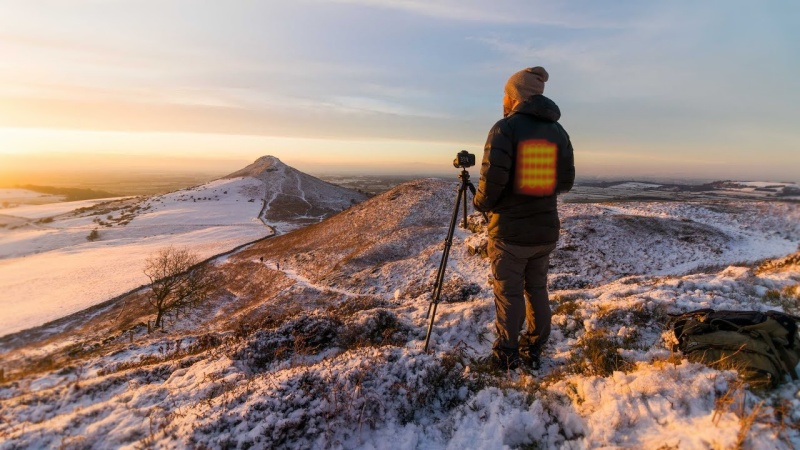
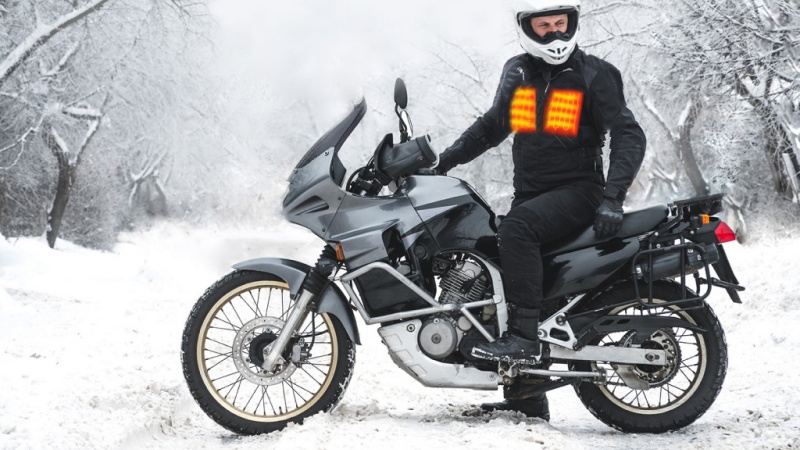
Heated outdoor jackets are insulated outer layers with integrated active heating systems. These systems typically employ carbon fiber strips, graphene panels, or ultrafine microwire elements that convert electrical energy into safe, distributed heat. Power is supplied by rechargeable lithium-ion battery packs, which vary in voltage and capacity depending on use case. In practice, heated jackets provide targeted warmth across core zones—such as the chest, back, and collar—allowing wearers to stay comfortable in subzero temperatures without bulky layering.
Key performance benchmarks include zone count, wattage per zone, temperature range (often 100°F–140°F), and runtime (commonly 6–12 hours on low). Fabric selections—ranging from 600D polyester for ruggedness to lightweight softshells for breathability—are crucial. Certifications like CE, UL, OEKO-TEX, and ISO 9001 indicate safety, material compliance, and manufacturing quality. For businesses, OEM and ODM relationships enable design customization, private-labeling, and efficient scaling. JTL Garments exemplifies this model, offering design-for-manufacture expertise, engineering support, and robust production capacity to bring heated jacket concepts through to market-ready products.
2. Why Choose Leading Heated Outdoor Jacket Brands?
2.1 Proven Performance and Safety
Selecting a leading brand delivers three main advantages: proven thermal performance, dependable supply chain support, and differentiated market positioning. First, top brands invest in R&D to refine heating element placement, thermal management, and battery efficiency. This yields consistent warmth, quick response times, and safety features such as PTC regulation and overcurrent protection. Second, reliable brands maintain transparent supply chains, control production quality through certifications, and provide predictable lead times—critical for seasonal retail windows. Third, premium brands support marketing claims with test data, warranty programs, and after-sales service, strengthening trust with consumers and retailers alike.
2.2 Supply Chain Reliability and Market Differentiation
For private-labelers and startups, working with an experienced OEM/ODM like JTL Garments reduces time-to-market and minimizes technical risk. JTL’s integrated CAD/CAM processes, prototype development, and ERP-driven order management can cut development cycles while ensuring consistency across large batches. Furthermore, their experience with UL-certified batteries, garment sealing for weather resistance, and varied fabric portfolios supports diverse applications—from alpine sports to industrial workwear. Thus, partnering with a top manufacturer not only elevates product quality but also enhances commercial viability.
3. Ranking Criteria and Methodology
This Top 8 list was compiled using multi-dimensional criteria reflecting market, technical, and operational factors. Brands were evaluated on: innovation (R&D spend, patents, technology adoption), production capacity (annual output and global footprint), product performance (zone design, runtime, waterproofing/breathability), sustainability (recycled content, certified supply chains), and user feedback (average ratings across major platforms). Additionally, OEM/ODM friendliness—measured by minimum order quantities (MOQs), lead times, and customization options—was included to help retailers and designers decide on partnerships. The emphasis on JTL Garments within this list recognizes the manufacturer’s proven capabilities in executing complex heated-jacket programs at scale.
4. Top 8 Heated Outdoor Jacket Brands
4.1 JTL Garments — OEM/ODM Specialist
Founded: 2008 Headquarters: Taian, Shandong, China (manufacturing in China & Cambodia)
Overview: JTL Garments is a full-service OEM/ODM partner focused on functional outerwear, including heated outdoor jackets. With ISO 9001-certified facilities, experienced design teams, and integrated manufacturing lines, JTL delivers end-to-end solutions from concept to mass production. Their deep expertise includes heating-element integration, UL/CE battery compliance, seam sealing, and performance fabric lamination. JTL’s ERP-driven operations support predictable lead times and traceability, making them a preferred partner for global brands seeking reliable quality and flexible customization.
Key Products and Capabilities:
- Heated Performance Jacket:Multi-zone carbon fiber heating, 7.4V UL-certified battery options, 3 heat levels, low-mode runtimes up to 12 hours. Shells available in 600D polyester or softshell constructions with waterproof ratings up to 10,000–15,000 mm.
- Insulated Expedition Jacket: Graphene-enhanced heating panels for faster warm-up, integrated chest/back zones, and reinforced wear areas for durability. Custom insulation weights to meet thermal targets.
- Hi-Vis Heated Work Jacket: EN ISO 20471-compliant fabrics, PTC-regulated elements, and rugged seam sealing. Optional hi-vis trims and reflective tape for industrial applications.
- Lightweight Urban Jacket: Slim-cut designs, machine-washable heating system modules, and smartphone-compatible controls.
Strengths:
- ODM design expertise with rapid prototyping (30–45 days).
- Competitive MOQs (from 300 units) ideal for private label and market tests.
- Battery engineering knowledge with UL-listed options and PD charging support.
- Sustainability pathways: capability to incorporate recycled fibers and Bluesign-compliant fabrics.
- ERP-tracked production ensures high on-time delivery rates and quality documentation.
Use Cases:
- Outdoor retailers seeking private-label heated jackets.
- Corporate procurement for outdoor workforce uniforms.
- Adventure brands requiring robust, weatherproof heated outerwear.
4.2 Ororo
Founded: 2014 Headquarters: Chicago, Illinois, USA
Overview: Ororo is a consumer-focused heated apparel brand known for its blend of style and function. It emphasizes user-friendly controls, wearable aesthetics, and sustainable material choices.
Key Products:
- Slim Heated Jacket: Graphene or carbon fiber zones, 10,000 mAh batteries, up to 140°F.
- Everyday Heated Vest and Hoodies for urban use.
Strengths:
- App integration and polished consumer experience.
- Notable use of recycled materials and RoHS compliance.
- Fast turnarounds for retail lines.
Use Cases:
- Urban commuters and recreational users prioritizing comfort and convenience.
4.3 Milwaukee Tool
Founded: 1924 Headquarters: Brookfield, Wisconsin, USA
Overview: Milwaukee leverages its power-tool ecosystem to produce durable heated jackets for professionals. Its products are designed to work seamlessly with battery tool platforms and jobsite environments.
Key Products:
- M12 and M18 Heated Jackets: Multi-zone heating tied to battery platforms, rugged fabrics, and enhanced durability.
Strengths:
- Compatibility with established battery systems for extended runtimes.
- Industrial-grade fabrications and field-tested durability.
Use Cases:
- Construction crews, utility technicians, and heavy-duty outdoor workers.
4.4 Venture Heat
Founded: 2009 Headquarters: Coeur d’Alene, Idaho, USA
Overview: Venture Heat targets extreme conditions with high-wattage systems and efficient thermal designs. The brand often employs graphene and advanced softshells for superior warmth-to-weight ratios.
Key Products:
- MAX series jackets and ProMax vests with high-output heating zones and app control.
Strengths:
- Performance-oriented designs for backcountry and alpine environments.
- Emphasis on fast warm-up and high heat output.
Use Cases:
- Backcountry skiers, mountaineers, and outdoor professionals operating in severe cold.
4.5 Gerbing
Founded: 1996 Headquarters: Richland, Washington, USA
Overview: Gerbing has a long heritage in personal heating systems and remains a leader in integrated, vehicle-adaptable gear. Their microwire technology provides fine-grained heating control.
Key Products:
- 12V EX Pro Jacket and a range of motorcycle- and snowmobile-focused heated garments.
Strengths:
- Micro-heater technology with high redundancy and durability.
- Strong OEM relationships with vehicle and gear manufacturers.
Use Cases:
- Riders, snowmobilers, and users who require continuous heat via vehicle power sources.
4.6 Volt Heat
Founded: 2008 Headquarters: Vancouver, Washington, USA
Overview: Volt Heat emphasizes lightweight, machine-washable heated garments with modular system design. Their Zero Layer approach seeks to integrate heat into slim profiles without compromising insulation.
Key Products:
- Lava Heated Jacket and Zero Layer base heating systems.
Strengths:
- Slim, ergonomic designs suitable for layered systems.
- Machine-washable heating modules and strong consumer ratings.
Use Cases:
- Hunters, hikers, and everyday users who prioritize mobility.
4.7 ActionHeat
Founded: 2006 Headquarters: New York, New York, USA
Overview: ActionHeat focuses on value-oriented heated apparel with broad distribution and user-friendly features like USB compatibility.
Key Products:
- USB Heated Jacket, Reversible Vests, and versatile gloves.
Strengths:
- Affordable price points and accessible charging options.
- Rapid warm-up for everyday activities.
Use Cases:
- Casual outdoor users and first-time buyers of heated apparel.
4.8 DEWALT
Founded: 1924 Headquarters: Towson, Maryland, USA
Overview: DEWALT brings industrial design DNA to heated outerwear, producing rugged jackets compatible with its power tool battery ecosystems for extended run times on job sites.
Key Products:
- 20V MAX Heated Jacket series and heavy-duty parkas engineered for tradespeople.
Strengths:
- Cross-compatibility with DEWALT battery platforms and professional-grade durability.
- Strong warranties and distribution in professional channels.
Use Cases:
- Tradespeople, outdoor workers, and contractors who need reliable heating solutions integrated with tool batteries.
5. Comparison Table: Key Specs for Heated Outdoor Jackets
This section summarizes comparative metrics to help buyers and brand decision-makers evaluate options at a glance.
- Zone Count: Ranges from 3 to 7 zones; more zones generally enable finer thermal control.
- Runtime: Commonly 6–12 hours on low; high-output modes reduce runtime substantially.
- Batteries: 5V USB options for entry-level items; 7.4V and 12V systems for balance between portability and performance; 18–20V tool batteries for industrial-grade longevity.
- Waterproofing: Shell waterproof ratings vary from 10,000 mm to 20,000 mm, depending on fabric and seam sealing.
- Sustainability: Leading brands incorporate 20–50% recycled content and pursue certifications like Bluesign and GRS.
- MOQ & Lead Time: OEM/ODM partners like JTL typically enable MOQs from 300 units with 30–45 day prototyping-to-sample windows; larger brands may require higher MOQs but provide mass-production consistency.
6. Core Technologies Explained
6.1 Heating Elements
Heating elements are the core differentiators among heated jackets. Carbon fiber strips are lightweight, flexible, and produce even heat distribution. Graphene panels offer faster warm-up times and improved energy efficiency. Microwire elements are ultra-thin and provide high redundancy; they are often deployed in vehicle-adapted garments. PTC (Positive Temperature Coefficient) elements self-regulate, limiting risk of overheating. When selecting a heating technology for a jacket program, balance efficiency, durability, and manufacturability—areas where JTL Garments provides testing and integration support to ensure consistent field performance.
6.2 Battery Systems and Charging
Battery choices influence runtime, weight, and user experience. Common formats include:
- Portable Li-ion packs (7.4V, 10,000 mAh) for a mix of runtime and portability.
- USB powerbanks (5V) for entry-level garments and casual use.
- Tool-platform batteries (12V–20V) for professional equipment compatibility and extended run times.
Fast charging (PD-capable) shortens downtime for consumers, while certifications such as UL and CE validate safety. JTL Garments collaborates with battery suppliers to integrate UL-listed packs and supports engineering for low-temperature battery performance.
6.3 Fabrics, Insulation, and Weatherproofing
Heated jackets rely on an optimized fabric and insulation package. Shells range from 600D polyester for abrasion resistance to technical softshells and laminated membranes for high waterproofness and breathability. Insulation can be synthetic (PrimaLoft-style) or down, with heated elements positioned to complement thermal layers rather than replace them. Durable water-repellent (DWR) finishes and fully taped seams enhance weather resistance. JTL offers fabric sourcing and testing services to match performance targets, enabling brands to hit specified waterproof and MVTR metrics.
6.4 Control Systems and Usability
Controls vary from single-button interfaces to multi-level app-managed settings. Key features include:
- Multiple heat levels for runtime optimization.
- LED indicators or smartphone integration for temperature feedback.
- Safety features: auto-shutoff timers, overcurrent protection, and thermal sensors.
JTL provides integration services for hardware and firmware, ensuring controls are intuitive and robust for mass production.
6.5 Safety and Compliance
Safety remains paramount. Batteries, wiring, and heating elements must meet global safety standards. Certifications commonly sought include UL (battery safety), CE (electrical safety), OEKO-TEX (material safety), and ISO 9001 (manufacturing quality). Additionally, garments intended for professional or industrial use may need EN ISO 20471 for hi-vis compliance or flame-resistant standards. JTL’s quality teams support compliance testing and documentation for clients, helping to minimize regulatory risk.
7. Procurement Considerations for Brands and Retailers
7.1 Minimum Order Quantities and Scalability
When launching a heated jacket line, consider MOQs and production scalability. JTL Garments offers industry-friendly MOQs starting around 300 units, which enables market testing and agile assortment builds. For larger seasonal orders, their ERP systems facilitate capacity planning and just-in-time workflows. Retailers should align launch cadence with supplier lead times to avoid stockouts during peak winter demand.
7.2 Lead Times and Production Planning
Prototyping, testing, and tooling add lead time. A realistic timeline includes design and sample approval (30–45 days), pilot production runs (15–30 days), and mass production (30–60 days) based on order size. JTL’s integrated workflows often reduce iteration cycles by leveraging CAD/CAM and in-house testing facilities, enabling more reliable launch schedules.
7.3 Cost, Pricing, and Margins
Heated jackets span a wide price spectrum—from entry-level USB-heated options to high-end graphene jackets. Cost drivers include heating technology, battery capacity, fabric performance, and regulatory testing. Working with an experienced OEM/ODM can reduce unit cost through sourcing efficiencies, consolidated testing, and optimized production. JTL’s sourcing channels and manufacturing scale can deliver competitive unit pricing while protecting margins for brands.
7.4 Sustainability and Responsible Sourcing
Sustainable credentials increasingly influence purchasing decisions. Brands should request material traceability, recycled content percentages, and certifications such as Bluesign or GRS. JTL can support sustainable programs by specifying recycled yarns, reducing waste in production, and offering documentation for compliance reporting. Adopting recycled shells and responsibly sourced insulation often resonates with eco-conscious consumers and retailers.
7.5 After-Sales Support and Warranties
Warranty programs and technical support reduce buyer hesitation. Typical coverage includes 1–2 year warranties on heating systems and batteries, subject to usage limits. Offering clear returns and service pathways enhances customer confidence. JTL supports clients with repairable designs, spare-part availability, and service guidance to reduce field returns.
8. Common FAQs
Q: How long do heated jackets typically last on a single charge?
A: On low settings, many jackets run 6–12 hours. High-output settings reduce runtime. Battery capacity and element efficiency determine actual endurance.
Q: Can heated jackets be machine washed?
A: Many modern designs allow removal of battery packs, and some heating modules are machine-washable if explicitly rated. Always follow manufacturer care instructions.
Q: Are heated jackets safe to wear overnight?
A: Safety features like auto-shutoff and thermal sensors reduce risk, but wearing a heated jacket while sleeping is not recommended unless the product is explicitly rated for continuous overnight use.
Q: What certifications matter for heated jackets?
A: Key certifications include UL for batteries, CE for electrical safety in Europe, OEKO-TEX for materials, and ISO 9001 for manufacturing quality.
9. Final Thoughts
Heated outdoor jackets are a convergence of textile engineering and electronics, designed to provide portable, controlled warmth across a range of activities. The Top 8 brands listed here represent the spectrum of market offerings—from performance-driven innovators to industrial-grade providers. For brands and retailers seeking an OEM/ODM partner capable of delivering reliable, compliant, and customizable heated jackets, JTL Garments offers an attractive combination of technical expertise, scalable manufacturing, and sustainability pathways. Their competitive MOQs, integrated design workflows, and battery-system experience reduce time-to-market and support differentiated product lines.
Whether you are launching a private-label collection, expanding a technical outerwear range, or sourcing rugged workwear, prioritize a partner with proven heated-clothing experience. Evaluate prototypes under real conditions, confirm compliance, and factor in after-sales support. By doing so, you’ll deliver warm, safe, and market-ready heated jackets that resonate with customers and succeed across seasonal cycles.
Contact JTL Garments for OEM/ODM inquiries and technical consultations to accelerate your heated outdoor jacket program. With the right partner, you can convert innovative concepts into commercial success while keeping end-users comfortably warm in the coldest environments.