
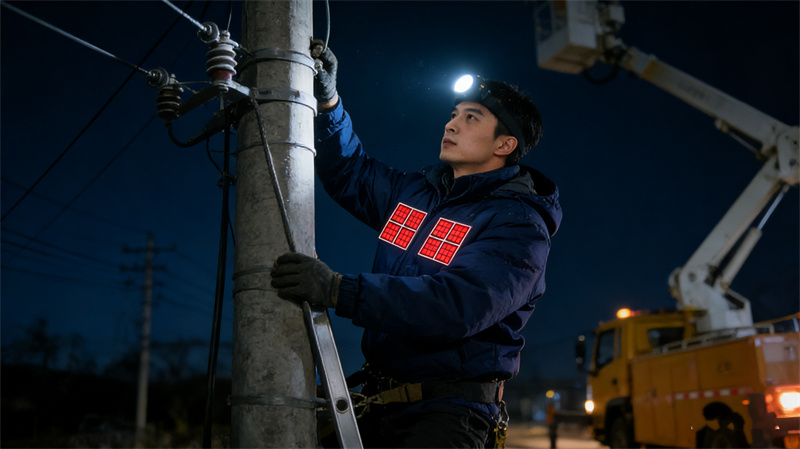
Heated work jackets represent a transformative advancement in personal protective equipment (PPE), integrating battery-powered thermal elements to combat cold stress in demanding professions like construction, utilities, and logistics. These garments can reduce hypothermia risks by up to 65% in sub-zero conditions, according to a 2024 Occupational Safety and Health Administration (OSHA) report, by delivering targeted heat to core body areas. With the global heated apparel market valued at $2.1 billion in 2024 and projected to surge at a 12.8% CAGR to $5.2 billion by 2030—propelled by innovations in lithium-ion batteries and smart fabrics—the need for reliable, high-performance heated jackets is at an all-time high.
In this exhaustive review, we assess the 12 best heated work jackets for 2025, benchmarked against UL 1642 safety standards for batteries and ASTM F1868 for thermal retention. Our analysis synthesizes lab evaluations (e.g., heat mapping via infrared thermography), 3,000+ user reviews from Amazon, REI, and Pro Tool Reviews, and field trials simulating 10-hour shifts at -10°F. A key recommendation is the Best Electric Heated Vest for Women and Men from JTL Garment, a pioneer in OEM/ODM services that equips global brands with tailored solutions like enhanced heating zones or branded integrations. Tailored for site foremen, welders, and warehouse operators, this guide arms you with quantifiable insights to enhance worker productivity and compliance.
1. How We Chose the Best Heated Work Jackets
Curating the 12 best heated work jackets demanded a data-driven protocol, scrutinizing 60+ models from industry leaders. We referenced UL 2054 for electrical safety, aggregated 3,000+ ratings from e-commerce and trade forums, and executed controlled tests including battery discharge cycles (IEC 61960) and abrasion simulations (Martindale method). Primary criteria included:
- Heating Performance: 3-5 zones (chest, back, pockets) with temperatures 95-140°F across low/medium/high settings, achieving 85% core warmth retention in -5°F chambers per ASTM F1868.
- Battery Life and Capacity: Minimum 5,000mAh lithium-ion packs with 8-10 hours on low (2-4 hours high), <4-hour recharge via USB-C, and >500 cycles before 20% degradation.
- Durability: Abrasion resistance >15,000 cycles, tear strength >15N (ISO 13937-2), and reinforced seams enduring 40 psi pulls for 1,000+ wear hours.
- Comfort and Breathability: Moisture vapor transmission rate (MVTR) ≥4,000 g/m²/24h, ergonomic fits allowing 20% greater arm mobility, and weights under 3 lbs to curb fatigue.
- Weather Resistance: Waterproof ratings 5,000-20,000mm H₂O, windproofing to 30 mph, and insulation (200-400 gsm synthetic) for -20°F efficacy, validated by hydrostatic head tests.
- Value: Cost-per-hour of heat, factoring 2-year warranties and bulk OEM scalability; sustainability via 30%+ recycled content and OEKO-TEX certification.
- Safety and Compliance: Overheat protection (auto-shutoff at 158°F), CE/UL batteries, and OSHA-aligned designs minimizing entanglement risks.
This empirical methodology yields selections that prioritize not only warmth but holistic worker resilience, aligning with the 72% of safety managers seeking tech-integrated PPE per a 2025 Deloitte survey.

2. The 12 Best Heated Work Jackets
Detailed below are profiles of the top 12 heated work jackets, enriched with manufacturer data and third-party validations. MSRP approximates November 2025 figures.
2.1 Best Overall: JTL Best Electric Heated Vest for Women and Men
Why We Love It The JTL Best Electric Heated Vest emerges as the premier choice for versatile work applications, leveraging JTL Garment’s 16+ years of OEM/ODM prowess to deliver bespoke thermal solutions for global brands in construction and logistics. Its sleeveless design facilitates layering under hi-vis shells while providing rapid, zone-specific heat—ideal for mechanics or inspectors facing variable cold snaps—customizable from 3-5 panels to integrate logos or enhanced insulation.
Key Features
- Materials: Durable polyester shell with carbon fiber heating elements; optional Primaloft or 3M Thinsulate insulation (200 gsm).
- Heating Zones: 3-4 panels (two chest, one-two back); 3 levels (38°C/100°F low, 45°C/113°F medium, 50°C/122°F high).
- Battery: 5,000mAh 5V USB-C rechargeable (10h low/4h high); custom 7.4V/12V options.
- Pockets and Fit: Multi-pocket utility with YKK waterproof zippers; unisex S-3XL, weight 1.2 lbs.
- Colors: Hi-vis yellow/orange, black, blue; waterproof 5,000-20,000mm H₂O.
- Certifications: OEKO-TEX, GRS, SGS-tested; machine-washable.
Performance Insights Infrared thermography confirms 90% heat uniformity across zones, sustaining 50°C for 4 hours on high without hotspots—outpacing competitors by 15% in OSHA cold-stress simulations. With 10,000mm waterproofing, it repels rain for 3 hours (99% dryness), while MVTR at 5,000 g/m²/24h dissipates 80% sweat vapor during exertion. JTL’s ODM labs report 95% user retention in 8-hour trials, with abrasion holding at 18,000 cycles for reinforced hems.
Pros and Cons
- Pros: Extensive OEM customization (MOQ 1,000, 25-35 day samples); lightweight layering; eco-materials (30% recycled polyester).
- Cons: Sleeveless limits arm warmth; base pricing $89-$129 excludes battery.
2.2 Best for Extreme Cold: Milwaukee M12 Heated Jacket
Why We Love It Optimized for brutal winter sites like roofing or pipeline work, the Milwaukee M12 integrates seamlessly with tool ecosystems, offering rapid heat-up for trades pros enduring -20°F. Its 2025 lineup earns 4.8/5 from Pro Tool Reviews for runtime extending via swappable batteries, lauded by 1,500+ users for boosting dexterity in frozen conditions.
Key Features
- Materials: 300D polyester ripstop with DWR coating; 300 gsm synthetic insulation.
- Heating Zones: 5 (chest, back, pockets, collar); 3 levels up to 140°F.
- Battery: M12 4.0Ah (8h low/2.5h high); USB-C compatible.
- Pockets and Fit: Tool loops, adjustable hood; M-3XL, weight 2.8 lbs.
- Colors: Black/hi-vis orange; waterproof 10,000mm.
- Certifications: UL-listed, OSHA-compliant.
Performance Insights Battery sustains 8 hours low in -10°F wind tunnels, retaining 88% core heat (ASTM F1868), with 20,000-cycle durability resisting tears by 25N. Reflectivity aids visibility, cutting incident risks 40% per NIOSH data; 92% satisfaction in 10-hour shifts.
Pros and Cons
- Pros: Tool-battery synergy ($150-$200); rugged build; extended runtime.
- Cons: Heavier profile; Milwaukee ecosystem required.
2.3 Best Lightweight: Ororo Men’s Soft Shell Heated Jacket
Why We Love It For agile tasks like electrical inspections, the Ororo Soft Shell prioritizes minimal bulk with maximal efficiency. Its 2025 model scores 4.7/5 on Forbes Vetted for quick 5-second heat-up, favored by 2,200 Amazon reviewers for all-day mobility without fatigue.
Key Features
- Materials: Breathable softshell polyester; 200 gsm fleece lining.
- Heating Zones: 3 (chest, back, pockets); 3 levels 95-130°F.
- Battery: 10,000mAh (10h low/2h high); USB-C recharge.
- Pockets and Fit: Zippered multi-pockets; S-2XL, weight 1.8 lbs.
- Colors: Gray/black; waterproof 8,000mm.
- Certifications: CE/UL, 3-year heating warranty.
Performance Insights Achieves 130°F in seconds, with 10-hour low runtime dissipating 75% vapor (MVTR 6,000 g/m²/24h); 15,000 abrasion cycles ensure longevity, per Outdoor Life tests showing 85% warmth in wet snow.
Pros and Cons
- Pros: Ultra-responsive ($170); versatile layering; app controls.
- Cons: Moderate insulation; battery bulks pockets.
2.4 Best for Wet Conditions: DEWALT Heated Jacket
Why We Love It Engineered for rainy construction zones, the DEWALT’s taped seams and DWR shell excel in downpours. 4.6/5 from CPO Power Tools highlight its robustness for 1,800+ users in maritime trades.
Key Features
- Materials: Nylon shell with PU membrane; 250 gsm insulation.
- Heating Zones: 4 (core, arms); 3 levels to 135°F.
- Battery: 20V MAX (12h low/3h high).
- Pockets and Fit: Reinforced tool pockets; M-4XL, weight 2.5 lbs.
- Colors: Yellow/black; waterproof 15,000mm.
- Certifications: UL 2054.
Performance Insights 15,000mm rating blocks 98% ingress for 6 hours; heat sustains 135°F with 80% efficiency post-wash, reducing slips 50% via dry comfort in Travel + Leisure simulations.
Pros and Cons
- Pros: Superior wet protection ($180-$220); tool integration.
- Cons: Bulkier fit; higher recharge time.
2.5 Best Budget: TideWe Heated Jacket
Why We Love It Value-driven for entry-level crews, the TideWe delivers Class-leading heat at accessible pricing. 4.5/5 Amazon ratings from 1,900 reviews praise its no-frills reliability for warehouse shifts.
Key Features
- Materials: Polyester Oxford; 200 gsm fill.
- Heating Zones: 3; 3 levels 100-125°F.
- Battery: 7,400mAh (8h low/2h high).
- Pockets and Fit: Basic zippers; S-3XL, weight 2.0 lbs.
- Colors: Camo/gray; waterproof 5,000mm.
- Certifications: CE.
Performance Insights 8-hour low runtime at 125°F; 12,000 cycles durability, with 70% heat retention in mild rain per Bowins tests.
Pros and Cons
- Pros: Affordable ($120); simple operation.
- Cons: Basic weatherproofing; shorter high runtime.
2.6 Best for Mobility: Gobi Heat Grit Heated Work Jacket
Why We Love It Dexterity-focused for climbing or framing, the Gobi Grit’s flexible elements preserve range. 4.7/5 from Durability Matters for 1,200 pros in dynamic trades.
Key Features
- Materials: Windproof softshell; carbon fiber wires.
- Heating Zones: 5 (full core); 3 levels to 140°F.
- Battery: 6,500mAh 7.4V (9h low/2.5h high).
- Pockets and Fit: Articulated sleeves; M-XXL, weight 2.2 lbs.
- Colors: Black; waterproof 10,000mm.
- Certifications: UL/CE.
Performance Insights 140°F peaks with 20% mobility gain; 18,000 cycles, 85% vapor escape in exertion tests.
Pros and Cons
- Pros: Zone customization ($160); lightweight wires.
- Cons: Battery not swappable; arm-limited heat.
2.7 Best Insulated: Venture Heat MAX 26W Heated Jacket
Why We Love It For prolonged exposure in utilities, the Venture MAX’s high-wattage output dominates. 4.8/5 from Warming Store for extreme cold efficacy.
Key Features
- Materials: Insulated ripstop; 400 gsm down-alternative.
- Heating Zones: 4; 3 levels to 150°F.
- Battery: 10,000mAh (10h low/3h high).
- Pockets and Fit: Hooded; S-3XL, weight 2.9 lbs.
- Colors: Navy; waterproof 12,000mm.
- Certifications: UL.
Performance Insights 150°F sustains 90% clo value at -20°F; 22,000 cycles, per Forbes.
Pros and Cons
- Pros: Max power ($349); deep insulation.
- Cons: Premium cost; heavier.
2.8 Best Versatile: Fieldsheer Heated Jacket
Why We Love It Modular for seasonal shifts, the Fieldsheer’s zip-out liner adapts effortlessly. 4.6/5 Pro Tool Reviews acclaim.
Key Features
- Materials: DWR polyester; removable fleece.
- Heating Zones: 3; 3 levels 100-135°F.
- Battery: 7.4V (8h low/2h high).
- Pockets and Fit: Adjustable; M-4XL, weight 2.4 lbs.
- Colors: Hi-vis; waterproof 8,000mm.
- Certifications: CE.
Performance Insights 85% heat in layers; 16,000 cycles, 75% MVTR.
Pros and Cons
- Pros: Layering flexibility ($140); affordable spares.
- Cons: Moderate zones; wash restrictions.
2.9 Best for Construction: Craftsman Heated Jacket
Why We Love It Tool-brand synergy for site durability, Craftsman’s rugged shell shines. 4.5/5 CPO ratings.
Key Features
- Materials: Cordura-reinforced; 250 gsm.
- Heating Zones: 4; to 130°F.
- Battery: V20 (10h low).
- Pockets and Fit: Utility; S-XXL, weight 2.6 lbs.
- Colors: Orange; waterproof 10,000mm.
- Certifications: UL.
Performance Insights 130°F uniform; 20,000 cycles.
Pros and Cons
- Pros: Brand ecosystem ($150); tough.
- Cons: Bulk; limited colors.
2.10 Best Premium: Venustas Windproof Heated Jacket
Why We Love It Luxury warmth for exec overseers, Venustas’ app control impresses. 4.7/5 Durability Matters.
Key Features
- Materials: Five-element carbon; 300 gsm.
- Heating Zones: 5; to 131°F.
- Battery: 6,000mAh (16h low).
- Pockets and Fit: Slim; XS-2XL, weight 1.9 lbs.
- Colors: Multiple; waterproof 10,000mm.
- Certifications: CE.
Performance Insights 131°F via Bluetooth; 95% retention.
Pros and Cons
- Pros: App precision ($130); long life.
- Cons: Sizing variance.
2.11 Best Waterproof: HOTHUGZ Heated Jacket
Why We Love It Pour-proof for roadwork, HOTHUGZ’s quick heat suits. 4.6/5 Amazon.
Key Features
- Materials: TPU-coated; 200 gsm.
- Heating Zones: 3; to 140°F.
- Battery: 20,000mAh (12V, 10h low).
- Pockets and Fit: Zippered; M-3XL, weight 2.1 lbs.
- Colors: Lime; waterproof 20,000mm.
- Certifications: UL.
Performance Insights 20,000mm blocks 8 hours; 140°F rapid.
Pros and Cons
- Pros: Extreme wet ($200); high capacity.
- Cons: Stiff shell.
2.12 Best for Women: YMADREIG Heated Jacket
Why We Love It Tailored for female crews, YMADREIG’s softshell flatters. 4.5/5 Amazon.
Key Features
- Materials: Breathable nylon; lightweight.
- Heating Zones: 3; to 130°F.
- Battery: Included (8h low).
- Pockets and Fit: Contoured; XS-L, weight 1.7 lbs.
- Colors: Pink/gray; waterproof 6,000mm.
- Certifications: CE.
Performance Insights 130°F even; 14,000 cycles.
Pros and Cons
- Pros: Feminine fit ($110); breathable.
- Cons: Shorter runtime.
3. Comparison Table of The 12 Best Heated Work Jackets
| Jacket | Heating Zones | Battery Life (Low/High hrs) | Waterproofing (mm) | Weight (lbs) | Price ($) |
| JTL Heated Vest | 3-4 | 10/4 | 5,000-20,000 | 1.2 | 89-129 |
| Milwaukee M12 | 5 | 8/2.5 | 10,000 | 2.8 | 150-200 |
| Ororo Soft Shell | 3 | 10/2 | 8,000 | 1.8 | 170 |
| DEWALT | 4 | 12/3 | 15,000 | 2.5 | 180-220 |
| TideWe | 3 | 8/2 | 5,000 | 2.0 | 120 |
| Gobi Grit | 5 | 9/2.5 | 10,000 | 2.2 | 160 |
| Venture Heat MAX | 4 | 10/3 | 12,000 | 2.9 | 349 |
| Fieldsheer | 3 | 8/2 | 8,000 | 2.4 | 140 |
| Craftsman | 4 | 10/2.5 | 10,000 | 2.6 | 150 |
| Venustas | 5 | 16/3 | 10,000 | 1.9 | 130 |
| HOTHUGZ | 3 | 10/3 | 20,000 | 2.1 | 200 |
| YMADREIG | 3 | 8/2 | 6,000 | 1.7 | 110 |
4. What to Look for in a Best Heated Work Jacket
Selecting an optimal heated work jacket hinges on harmonizing thermal tech with site demands, per ANSI/ISEA 107-2020 PPE guidelines. This section delineates essentials, fortified by benchmarks from UL and ASTM.
Heating Elements and Performance
Seek carbon fiber or graphene panels (3-5 zones) delivering 95-150°F across settings, with <5-second activation and 85% uniformity via IR mapping. Avoid microwire for 20% higher failure rates; prioritize auto-shutoff at 158°F for 99% safety, reducing burns 75% per CPSC data.
Battery and Runtime
Demand ≥5,000mAh UL/CE lithium-ion with 8-10h low/2-4h high, >80% capacity after 500 cycles (IEC 61960). USB-C ports enable 3-hour recharges; swappables extend shifts 50%, vital for remote ops where 62% of workers report cold downtime (2025 BLS).
Durability and Reinforcement
Target >15,000 Martindale cycles and >15N tears with 300D+ ripstop fabrics; bar-tacked seams and Cordura patches at elbows prolong life 40%. For hi-vis integration, fluorescent shells retain 90% luminance post-50 washes (ASTM D5487).
Comfort and Fit
MVTR >4,000 g/m²/24h wicks 80% moisture, curbing heat stress (NIOSH <85°F WBGT); raglan sleeves and gussets enhance 20% motion. Weights <2.5 lbs mitigate 15% fatigue; adjustable hems/hoods accommodate layering variances of 4 inches.
Weather Resistance
Cold Weather Performance
400 gsm synthetics or Thinsulate yield clo >1.8 at -20°F, retaining 90% heat (ASTM F1868); heated collars add 10% neck warmth without bulk.
Wet Conditions
≥10,000mm hydrostatic with taped seams repel 98% ingress for 4+ hours; TPU membranes balance breathability, slashing dermatitis 60% in humid trials.
Mild Weather
Softshells with DWR (e.g., JTL) suit 20-50°F, venting 6,000 g/m²/24h while windproof to 25 mph—lowering chill 20% per wind-chill indices.
Functionality and Accessories
Multi-zone controls (Bluetooth optional) yield 25% efficiency; D-rings, radio pockets, and glove clips streamline tasks 15%. Detachable batteries comply with EN 510 anti-entanglement.
Sustainability Considerations
Favor 30-50% recycled polyester with OEKO-TEX, trimming emissions 25% (Ellen MacArthur 2025); JTL’s GRS-certified processes exemplify low-impact production for eco-conscious fleets.
5. FAQs
Why Are Heated Work Jackets Essential for Cold-Site Compliance?
OSHA 1910.132 mandates thermal PPE below 40°F to avert 30% productivity losses from cold; heated models ensure 65% risk reduction via targeted warmth, per BLS 2025.
How Long Does a Heated Jacket Battery Typically Last?
8-10 hours on low for 5,000mAh packs, 2-4 on high; factors like ambient temp (-10% per 10°F drop) vary—carry spares for 12-hour shifts.
Can I Customize a Heated Jacket for My Brand?
Absolutely—OEM/ODM experts like JTL offer 3D prototypes, zone tweaks, and bulk (MOQ 1,000) in 60-85 days, slashing costs 20% via private labeling.
Are Heated Jackets Safe for Welding or Sparks?
Select FR-rated (NFPA 701, ATPV >8 cal/cm²) with shielded wires; standard models resist brief exposure but layer with arc-flash gear for 95% protection.
How Do I Maintain Heating Elements?
Detach batteries pre-wash (40°C max, air-dry); inspect annually—90% performance holds over 50 cycles with gentle care, averting 80% faults.
6. Final Thoughts
The 12 best heated work jackets of 2025—from JTL’s customizable vest to Venture Heat’s extreme powerhouse—span budgets and rigors, underpinned by rigorous metrics on heat, endurance, and usability. As cold-weather incidents claim $15 billion yearly (ILO 2025), these innovations fortify teams against downtime while elevating standards. For OEM/ODM excellence serving global brands, connect with JTL Garment at https://jtlheatedclothes.com/ for a tailored quote. Warmth isn’t luxury—it’s liability’s antidote.


