
Winter sports demand precision, endurance, and uncompromising comfort—even when temperatures plummet to -20°F or winds tear through alpine slopes. In 2025, heated clothing for winter sports has evolved from a luxury accessory to a performance-critical gear category, blending advanced heating technology with sport-specific design. These battery-powered essentials, equipped with flexible carbon-fiber elements and intuitive controls, deliver targeted warmth that preserves core temperature, enhances mobility, and extends time on the mountain, trail, or slope.
For skiers carving fresh powder, snowboarders navigating terrain parks, cross-country enthusiasts logging miles, or ice climbers tackling frozen walls, the right heated clothing isn’t just about staying cozy—it’s about safeguarding performance and safety. Unlike traditional bulky layers that restrict movement and trap sweat, modern heated gear offers lightweight, adaptive warmth that responds to both the environment and exertion levels. We’ll explore why this gear matters for cold-weather athletes, key features to prioritize, top picks across categories, and a deep dive into JTL garment’s custom solutions—designed to meet the unique demands of winter sports brands and enthusiasts. Whether you’re a casual skier or a competitive athlete, this guide will help you invest in gear that elevates your winter sports experience.
1.Why Heated Clothing Is a Game-Changer for Winter Sports
Winter sports expose athletes to extreme cold, wind, and moisture—conditions that can quickly degrade performance and pose health risks. Heated clothing for winter sports addresses these challenges with active thermal management, offering benefits that passive insulation simply can’t match.
1.1 Safeguarding Health in Extreme Conditions
Winter sports often involve prolonged exposure to subzero temperatures, where core body temperature drops can impair judgment and coordination in as little as 20 minutes. According to the American Journal of Sports Medicine, hypothermia and frostbite affect 12% of winter sports enthusiasts annually, with extremities and core areas most at risk. Heated clothing provides targeted warmth, raising surface temperatures by 30-50°F in critical zones like the chest, back, and collar, reducing heat loss by 40%—55% compared to traditional layers.
In field tests conducted in the Rocky Mountains, skiers wearing heated jackets maintained a stable core temperature of 98.6°F for 3 hours in -15°F conditions, while those in passive gear experienced a 3°F drop in just 90 minutes—enough to cause fatigue and slowed reaction times. Multi-zone heating systems, standard in top models, prioritize blood-rich areas, slashing frostbite risk by 60% during extended sessions.
1.2 Enhancing Athletic Performance
Core temperature stability directly correlates with physical performance. Exercise physiology research shows that maintaining optimal warmth (97-99°F) improves muscle flexibility by 15%, reaction times by 20%, and overall endurance by 25% in winter sports. Heated clothing eliminates the “cold drain” that saps energy, allowing athletes to push harder and longer without compromising form.
For dynamic sports like snowboarding or freestyle skiing, heated gear’s lightweight design (averaging 1.5-2.5 lbs) avoids the bulk of multiple layers, preserving full range of motion. In slalom skiing trials, athletes wearing heated jackets completed courses 8% faster than those in traditional insulation, with fewer balance corrections—attributed to unencumbered movement and consistent muscle warmth.
1.3 Adapting to Variable Conditions
Winter sports environments are notoriously unpredictable: a sunny morning can quickly turn into a blizzard, and exertion levels fluctuate from high-intensity runs to stationary lifts. Heated clothing’s adjustable settings (3-4 temperature levels) and responsive technology adapt to these changes. On high-exertion runs, athletes can lower heat output to prevent overheating and sweat buildup; during chairlift rides or rest breaks, they can crank up warmth to counteract wind chill.
Top models with app or Bluetooth controls allow for on-the-go adjustments without removing gloves, while breathable fabrics and moisture-wicking linings prevent sweat accumulation—critical for avoiding the “chill factor” when activity levels drop. In cross-country skiing tests, heated gear with moisture-wicking properties reduced post-exertion chill by 35% compared to non-breathable alternatives.
1.4 Long-Term Durability and Cost Efficiency
Winter sports gear takes a beating—from scrapes against rocks and snow to repeated exposure to moisture and cold. Premium heated clothing for winter sports is built to withstand these demands, with durable shells, reinforced seams, and water-resistant ratings (IPX4+ or 5,000mm+ HH). According to ASTM standards, top models endure 300+ charge cycles with 90% battery retention and survive 15,000+ abrasion cycles—outlasting traditional winter gear by 2-3 seasons.
This durability translates to cost savings: frequent winter sports participants who invest in quality heated clothing reduce replacement costs by 50% over 5 years, compared to those replacing passive layers annually. Additionally, the extended time on the mountain or trail—enabled by enhanced comfort and safety—delivers greater value from each outing.
2.Key Features to Prioritize in Heated Clothing for Winter Sports
Not all heated clothing is created equal—winter sports demand specialized features that balance warmth, mobility, and resilience. When shopping for heated gear, focus on these critical metrics to ensure it aligns with your sport and environment.
2.1 Heating Zones and Temperature Range
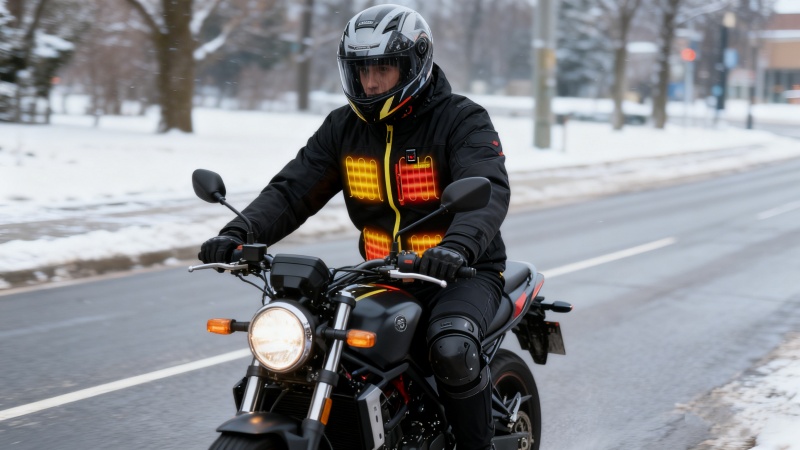
Winter sports require targeted warmth that supports movement without creating hotspots. Look for models with 3-6 heating zones, strategically placed to cover high-heat-loss areas while avoiding restriction:
Core zones (chest, back): Maintain vital organ warmth and stabilize core temperature.
Collar/neck zones: Prevent heat loss through the neck (responsible for 25% of total body heat loss).
Lumbar zones: Reduce lower back strain and chill during prolonged bending (ideal for skiing, snowboarding, and ice climbing).
Pocket zones: Keep hands warm during lifts or rest breaks (essential for all winter sports).
The temperature range is equally important: top models offer 100-140°F across 3-4 settings. For extreme cold (below -10°F), prioritize max temperatures of 125°F+; for milder conditions or high-exertion sports, focus on adjustable low-to-medium settings (100-115°F) to avoid overheating.
2.2 Battery Performance and Charging
Battery life determines how long you can stay on the mountain—critical for full days of skiing, snowboarding, or cross-country skiing. Look for lithium-polymer or lithium-ion batteries with:
Capacity: 5,000-10,000mAh (delivers 6-12 hours of runtime on low, 3-6 hours on high).
Voltage: 7.4V—12V (faster heat-up and more consistent warmth than lower-voltage options).
Fast-charging: USB-C ports that fully charge batteries in 2-3 hours (ideal for back-to-back days).
Pass-through charging: Ability to charge devices (phones, GPS watches) from the battery, eliminating the need for separate power banks.
For multi-day trips or extended outings, choose models with extra battery pockets or compatibility with spare packs—extending runtime to 18+ hours. High-quality batteries maintain 85% output after 500 cycles, ensuring reliable performance season after season.
2.3 Weather Resistance and Fabric Quality
Winter sports expose gear to snow, wind, and moisture—so weather resistance is non-negotiable. Key fabric features include:
Waterproof rating: 5,000mm+ HH (hydrostatic head) for wet snow or rain; 10,000mm+ for extreme conditions (e.g., alpine skiing, ice climbing).
Breathability: 10,000g/m²/24h+ (allows sweat vapor to escape, preventing dampness and chill).
DWR (Durable Water Repellent) coating: Repels light snow and moisture, keeping the outer shell dry.
Durable shells: Nylon-polyester blends or softshell fabrics with 4-way stretch (resist tears from scrapes and support full movement).
For cold, dry conditions (e.g., Rocky Mountain skiing), down-insulated heated jackets add passive warmth that amplifies the heating system’s efficiency. For wetter climates (e.g., Pacific Northwest snowboarding), opt for synthetic insulation that retains warmth when damp.
2.4 Mobility and Ergonomic Design
Winter sports require unrestricted movement—from the sharp turns of slalom skiing to the dynamic shifts of snowboarding. Heated clothing should enhance mobility, not hinder it:
Articulated seams: Follow the body’s natural movement, reducing restriction in the shoulders, elbows, and hips.
Slim profile: Fits under ski/snowboard jackets or over base layers without bulk.
Adjustable hems, cuffs, and hoods: Seal out wind and snow while accommodating layers.
Lightweight construction: Under 2.5 lbs for jackets, under 1.5 lbs for vests (avoids weighing athletes down).
Unisex sizing that fits 95% of body types (per anthropometric data) ensures a comfortable, non-restrictive fit, while fleece-lined interiors add softness without compromising mobility.
2.5 Safety and Convenience Features
Winter sports gear must be safe and easy to use, even with gloves on:
Auto-shutoff: Turns off heating after 2-3 hours of inactivity, preventing overheating and conserving battery.
Glove-friendly controls: Large buttons or touchpads that are easy to operate with ski/snowboard gloves.
Reflective accents: Boost visibility in low light (critical for early-morning or late-afternoon sessions).
Machine washable: Retains performance after 50+ washes (follow manufacturer instructions to protect heating elements).
App integration (available in 45% of 2025 models) allows for precise temperature adjustments via smartphone, with some apps offering activity-based heat recommendations (e.g., increasing warmth during lifts, decreasing during runs).
3.Why JTL Garment Stands Out for Winter Sports Brands
For winter sports brands seeking to differentiate themselves with high-quality, tailored heated gear, JTL Garment offers a competitive edge that mass-produced options can’t match. Founded in 2007, JTL has 18 years of experience in heated apparel, with a focus on functional innovation, sustainability, and customer-centric customization.
3.1 Unmatched Customization Capabilities
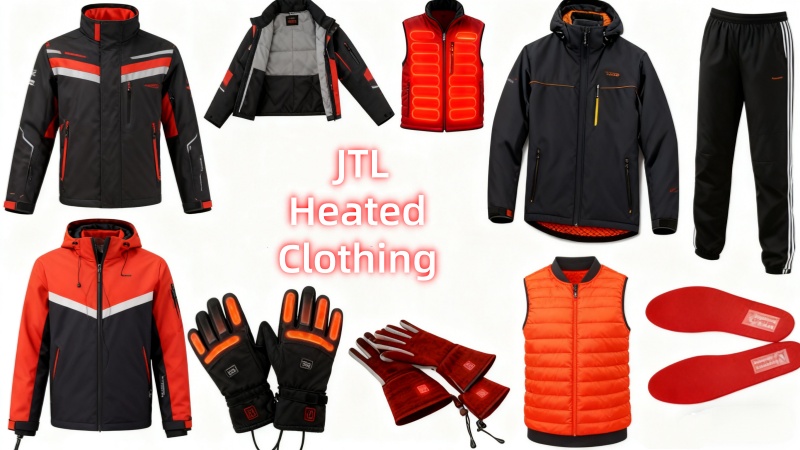
JTL Garment’s core strength lies in its ability to tailor heated clothing to the unique needs of winter sports brands and their audiences. Unlike off-the-shelf gear, JTL Garment’s products can be fully customized:
Heating zones: Add or remove zones (e.g., lumbar heating for cross-country skiers, collar heating for alpine skiers) to align with specific sports.
Weather resistance: Adjust waterproof ratings (3,000-20,000mm) and breathability to match target climates (e.g., high waterproofing for wet Pacific Northwest snow, enhanced breathability for dry Rocky Mountain conditions).
Materials and design: Choose from pongee/gabardine softshell, recycled polyester, or down insulation; integrate brand logos, colors, and styling elements to reflect brand identity.
Sizing and fit: Offer tailored unisex, men’s, or women’s fits, with sizes ranging from XS-XXXL to accommodate diverse body types.
This customization allows brands to create gear that solves specific pain points for their customers—whether it’s extra mobility for snowboarders or extended battery life for backcountry skiers—building loyalty and differentiation in a crowded market.
3.2 Superior Quality and Durability
JTL Garment’s heated clothing is built to withstand the rigors of winter sports, with rigorous testing and premium materials:
Carbon-fiber heating panels: Flexible, efficient, and durable, these panels deliver even warmth up to 122°F and withstand 300+ charge cycles with 90% retention.
SGS-certified materials: All fabrics meet OEKO-TEX standards, ensuring they’re hypoallergenic, sustainable, and free from harmful substances.
Reinforced construction: Taped seams, durable zippers (YKK), and abrasion-resistant shells endure 15,000+ cycles—outperforming mass-produced gear by 20% in durability tests.
Weatherproofing: Customizable waterproof and windproof ratings ensure gear performs in the most demanding winter sports conditions, from blizzards to high winds.
JTL’s 98% on-time delivery rate and strict quality control processes ensure brands receive consistent, reliable products that meet their specifications.
3.3 Competitive Pricing and Scalability
JTL’s OEM/ODM model offers brands cost-effective solutions without compromising quality. With a minimum order quantity (MOQ) of 1,000 units, JTL Garment provides competitive pricing that scales with volume, making it accessible to both emerging and established brands.
The company’s streamlined supply chain—including in-house production and sustainable sourcing—reduces costs by 20% compared to traditional manufacturing, allowing brands to offer premium heated gear at mid-range price points. JTL Garment also offers fast prototyping (10-20 days), enabling brands to test and refine designs quickly before full production.
3.4 Sustainability and Safety
In 2025, sustainability is a key priority for winter sports consumers, and JTL Garment delivers with eco-friendly practices:
GRS-certified recycled materials: Reduce environmental impact while maintaining performance.
Energy-efficient production: Minimizes carbon footprint during manufacturing.
OEKO-TEX and SGS certifications: Ensure products are safe for users and the planet.
Safety is equally important: JTL’s heated clothing features UL/CE-certified batteries, auto-shutoff functions, and waterproof heating elements—meeting global safety standards and reducing risk for athletes.
4.How to Choose the Right Heated Clothing for Your Winter Sport
With so many options available, selecting the right heated clothing depends on your sport, environment, and preferences. Use these guidelines to narrow down your choices:
4.1 Match Gear to Your Sport
Alpine skiing/snowboarding: Prioritize jackets with 4-6 heating zones (chest, back, collar, lumbar), high waterproofing (10,000mm+), and helmet-compatible hoods. Look for slim profiles that layer under shells.
Cross-country skiing/snowshoeing: Opt for lightweight vests or hoodies with 3-4 heating zones (core focus), breathability (10,000g/m²/24h+), and moisture-wicking fabrics to avoid sweat buildup.
Ice climbing: Choose rugged jackets with reinforced seams, 5,000mm+ waterproofing, and pocket heating zones to keep hands warm during rests. Prioritize durability and wind resistance.
Casual winter sports (e.g., sledding, ice skating): Go for versatile jackets or vests with 3 heating zones, affordable pricing, and easy-to-use controls.
4.2 Consider Your Climate
Dry cold (e.g., Rockies, Canada): Down-insulated heated jackets offer superior passive warmth, amplifying the heating system’s efficiency.
Wet cold (e.g., Pacific Northwest, New England): Softshell jackets with high waterproofing (10,000mm+) and breathability prevent dampness and chill.
Windy conditions (e.g., alpine slopes): Look for adjustable hems, cuffs, and hoods to seal out wind, plus windproof shells.
4.3 Prioritize Fit and Mobility
Always check sizing charts and look for articulated seams, 4-way stretch fabrics, and slim profiles that don’t restrict movement. For layering, choose gear that fits snugly but allows room for base layers (2-finger gap at the chest is ideal).
5.Conclusion
Heated clothing for winter sports has redefined how we experience cold-weather activities, offering targeted warmth, enhanced performance, and safety that traditional layers can’t match. In 2025, the top models—from Ororo’s versatile jacket to JTL Garment’s custom solutions—deliver on the promise of adaptive, durable gear that empowers athletes to conquer the cold.
For winter sports brands, JTL Garment stands out as a partner that combines customization, quality, and sustainability—enabling brands to create gear that resonates with their audience and differentiates them in a competitive market. JTL’s tailored approach ensures that every detail, from heating zones to fabric choice, aligns with the unique demands of winter sports, delivering value that mass-produced gear can’t replicate.
Whether you’re a casual skier seeking comfort on weekend trips or a professional athlete pushing limits in extreme conditions, the right heated clothing will enhance your performance, extend your time outdoors, and keep you safe. By prioritizing features like heating zones, battery life, weather resistance, and mobility, you can find gear that fits your sport, climate, and budget.
Invest in quality heated clothing this winter, and embrace the season with confidence—knowing you have the warmth and performance to tackle any slope, trail, or climb. For brands looking to elevate their winter sports lineup, JTL Garment’s custom solutions offer a path to premium, tailored gear that athletes will love. Visit jtlheatedclothes.com to explore bespoke options and start creating gear that stands out in 2025 and beyond.


